Summary:
You drain the tub and hear your toilet gurgle. Maybe it bubbles a little. You think — is that normal? Should I call someone? Or is it nothing?
Here’s the thing: that reaction isn’t random. When one fixture responds to another, your plumbing is handing you a specific piece of diagnostic information. And for Long Island homeowners on cesspools, it’s information worth understanding before it turns into something you can’t ignore. This post walks you through what’s actually happening, what it could mean for your system, and how to know when it’s time to make the call.
Why Drains Gurgle When Toilet Is Flushed or the Tub Empties
Your drain system has two jobs: move wastewater out of the house and let air in to replace it. That second part — the air — is what most people never think about until something goes wrong.
Think of it like pouring from a sealed can. Without a vent hole at the top, the liquid glugs and sputters instead of flowing smoothly. Your drain lines work the same way. A network of vent pipes runs up through your walls and out through the roof, allowing air to enter the system so wastewater can exit cleanly and quietly.
When that venting is disrupted — either because the vent stack is blocked or because the cesspool can no longer accept waste — air pressure builds up inside the drain lines. That trapped air has to go somewhere, so it pushes through the nearest water-filled trap it can find. In most homes, that’s the toilet. The result is the bubbling or gurgling sound you hear right after the tub drains.
What It Means When the Toilet Bubbles Specifically as the Tub Drains
The timing here matters more than most homeowners realize. A toilet that gurgles randomly could be a lot of things. But a toilet that bubbles specifically when the bathtub drains is telling you something precise: those two fixtures share a drain line, and that line is under pressure when the tub empties.
When the tub drains, it sends a significant slug of water through the shared pipe. If that pipe is venting properly and the downstream system — your cesspool or septic tank — is accepting waste normally, the water flows out and air flows in without any drama. You hear nothing. But when something is disrupting that balance, the tub water pushes trapped air back up through the system, and the toilet is usually the first place it escapes.
This cross-fixture reaction immediately rules out one possibility: a clog isolated to the toilet itself. If the toilet had its own localized blockage, it would have problems on its own — slow flushing, incomplete clearing, that kind of thing. The fact that it reacts to the tub means the issue lives in the shared drain line or further downstream. That narrows it down to two likely causes: a blocked vent stack or a cesspool that’s full, backed up, or under pressure.
A blocked vent stack is often caused by something as simple as a bird’s nest, leaf debris, or — in Long Island winters — ice forming at the roof opening. It prevents air from entering the system properly, creating negative pressure that pulls air through your fixture traps instead. A full or failing cesspool is a different problem entirely. When a cesspool can’t accept more waste, wastewater has nowhere to go, pressure builds in the lines, and air gets forced back through whatever fixture is closest.
Drainage changes like this often begin weeks before an actual sewage backup occurs. Partial blockages cause gurgling and bubbling long before a full clog forms. That means the toilet bubbling right now is the early warning — not the emergency itself. But it’s also a warning that doesn’t go away on its own.
Kitchen Sink Gurgles but Drains Fine — Is That the Same Problem?
A lot of homeowners notice their kitchen sink making a gurgling sound but assume it’s nothing because the water still drains. If the drain works, the thinking goes, how bad can it be?
This is actually one of the more common misconceptions we run into. A sink that gurgles but drains normally is showing you an earlier stage of the same underlying issue. Here’s why: when a vent stack is partially blocked, it doesn’t immediately slow your drains. What it does first is disrupt the air balance in the system. Without enough air entering through the vent, the drain creates a slight vacuum as water moves through it — and that vacuum pulls air through the P-trap water seal at the base of your fixture, producing the gurgling sound you hear.
The drain still works because the blockage isn’t in the drain line itself. It’s in the vent. Water can still exit; air just can’t enter cleanly. But here’s the problem: that partial vent blockage will worsen over time. The gurgling-but-draining phase is the window where the fix is simpler and less expensive. Once the vent is fully blocked or the cesspool pressure increases, the drain slows next — and by then you’re dealing with a more involved repair.
When a P-trap is repeatedly subjected to that kind of vacuum pressure, the water seal that keeps sewer gases out of your home can get compromised. Sewer gas contains methane and hydrogen sulfide, which are genuinely hazardous in an enclosed space. A gurgling sink that drains fine is easy to dismiss, but it’s worth treating as the early signal it is, not background noise to get used to.
If your kitchen sink is gurgling and your toilet is also bubbling when the tub drains, those two symptoms together point strongly toward a vent stack issue or a cesspool under pressure — not two separate, unrelated problems. The system is telling you the same thing through multiple fixtures at once.
Why This Hits Differently for Long Island Homeowners on Cesspools
Most of the content you’ll find online about gurgling toilets is written for homes connected to a municipal sewer system. For those homeowners, the cause is almost always a pipe clog or a vent issue — and a plumber can usually sort it out.
But a large share of Long Island homes — particularly across Suffolk County — run on private cesspools, not public sewers. And for those homeowners, there’s a third possible cause that no general plumbing website addresses: the cesspool itself. When a cesspool is full, failing, or blocked, wastewater backs up into the drain lines and air pressure builds in exactly the way described above. The toilet bubbles. The drains gurgle. And a plumber who clears the pipes and finds no clog will tell you everything looks fine — because from a pipe standpoint, it does.
How a Full or Failing Cesspool Produces the Same Gurgling Symptoms
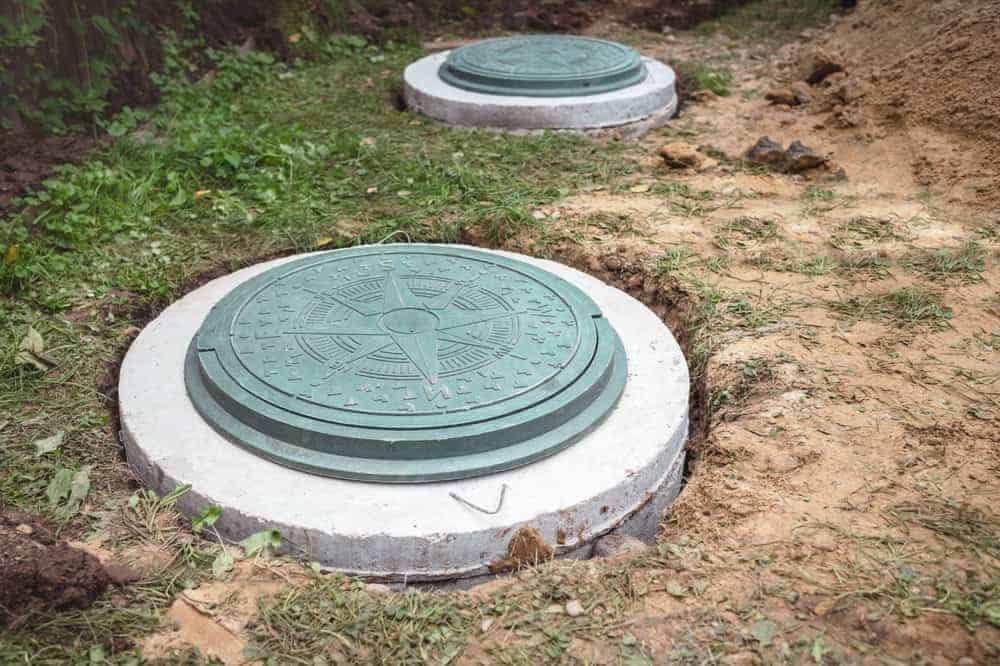
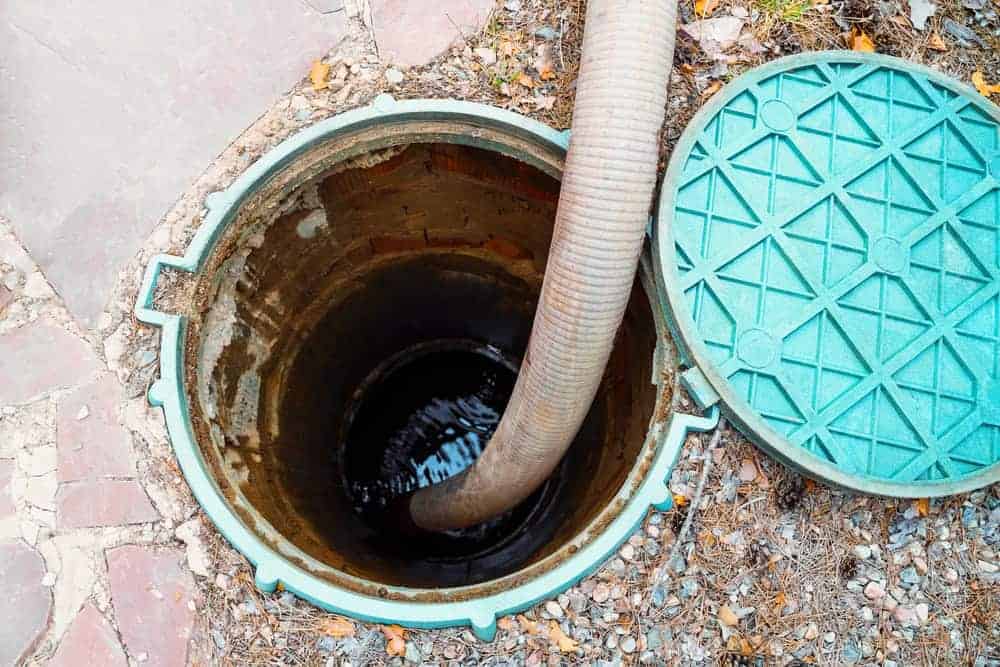
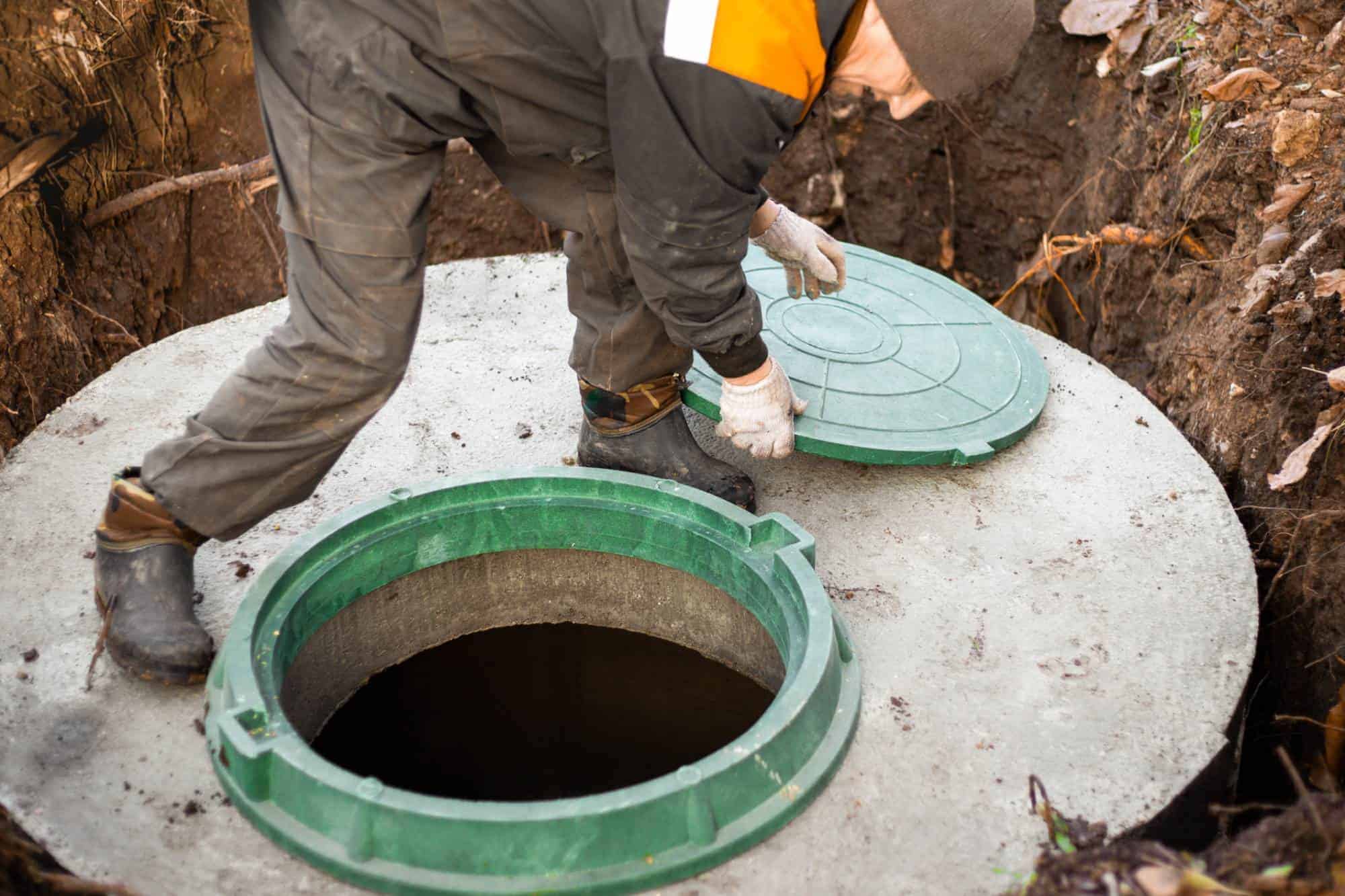
A cesspool works by receiving wastewater from your home and allowing the liquid portion to slowly leach out through perforated walls into the surrounding soil. The solid waste settles at the bottom as sludge. Over time, that sludge accumulates. When it rises high enough, the cesspool loses its capacity to accept new waste efficiently — and that’s when the backup pressure begins to build in your drain lines.
Long Island’s soil conditions play a direct role in how quickly this happens. In South Shore communities where the water table sits close to the surface — places like Massapequa, Wantagh, Baldwin, and Freeport — cesspools have less vertical depth to work with. When the water table rises seasonally, the soil around the cesspool becomes saturated and can’t absorb effluent at its normal rate. The cesspool fills faster, pressure builds sooner, and symptoms like toilet bubbling can appear suddenly after a period of heavy rain or snowmelt, even if the system seemed fine the week before.
In parts of Nassau County where the soil runs heavier with clay, the absorption rate is slower by nature. Clay retains moisture and processes waste differently than the sandy soils of eastern Suffolk. A cesspool in a clay-heavy area works harder under normal conditions and reaches capacity sooner than the same-sized system in a sandier location. If your home was built during Long Island’s post-war housing boom — which means your cesspool could be 50 to 70 years old — the system may simply be at the end of its useful life, and gurgling symptoms are often the first sign that it’s struggling.
None of this means your cesspool automatically needs to be replaced the moment the toilet gurgles. In many cases, a pump-out resolves the pressure and the symptoms disappear. But knowing whether you’re dealing with a full tank, a blocked vent, or something more systemic requires an actual inspection — not a guess.
Should You Call a Plumber or a Cesspool Company for a Bubbling Toilet?
This is one of the most common questions we hear, and the honest answer is: it depends on what’s causing it — which you won’t know until someone looks.
A general plumber is the right call if the problem is isolated to your pipes: a clogged drain line, a blocked vent stack, a P-trap issue. Plumbers work on the interior pipe system, and they’re well-equipped to diagnose and fix those problems. But a plumber doesn’t inspect your cesspool. If they snake the line, find no clog, and declare the pipes clear, they’ve done their job accurately — they just haven’t looked at the part of the system that might actually be causing the symptoms.
We’re the right call when multiple fixtures are involved, when the gurgling appeared suddenly after a heavy rain or a period of high household water use, or when a plumber has already checked the pipes and found nothing wrong. Those are the scenarios where the issue is likely downstream of the pipes — in the cesspool itself.
Here’s a practical way to think about it: if only one fixture is having trouble, start with a plumber. If two or more fixtures are reacting to each other — toilet bubbling when the tub drains, sink gurgling when the toilet flushes, shower draining slowly while the toilet gurgles — the problem is almost certainly in the shared drain line or the cesspool, and we should be your first call.
It’s also worth knowing that in New York State, ignoring a failing cesspool carries real consequences beyond the plumbing. Missed pump-outs and failed inspection reports can result in fines ranging from $250 to $2,000 under state regulations. Suffolk County has been tightening cesspool requirements since 2019, and Nassau County has followed with similar restrictions — both driven by the fact that Long Island gets 100% of its drinking water from underground aquifers, and a failing cesspool doesn’t just create a household problem, it creates a groundwater problem. Acting on early symptoms keeps you ahead of both the repair and the regulatory exposure.
Don’t pour chemical drain cleaners down a gurgling drain. If the cause is a vent blockage or cesspool pressure, Drano does nothing for the root problem. Worse, those chemicals kill the beneficial bacteria inside the cesspool that break down waste — the very bacteria the system depends on to function. It’s a common instinct and a costly mistake.
When to Stop Watching and Start Making the Call
A toilet that bubbles when the tub drains isn’t a plumbing quirk to get used to. It’s a specific signal — one that tells you the shared drain line is under pressure and something upstream or downstream is disrupting the system’s ability to vent and flow properly. For Long Island homeowners on cesspools, that signal deserves a closer look sooner rather than later.
The homeowners who act on early symptoms like this are the ones who avoid the emergency call, the sewage backup, and everything that comes with it. The ones who wait tend to find out the hard way that the gurgling was the easy version of the problem.
If you’re hearing it, don’t guess at the cause. Antorino & Sons has been diagnosing and servicing Long Island cesspools since 1980, and we’re available around the clock — including nights, weekends, and the moments when you really don’t want to be dealing with this. Reach out for a free quote and let us tell you exactly what you’re working with.