Summary:
Most Long Island homeowners inherit their underground waste system along with the house — and never think twice about it until something goes wrong. A slow drain. A gurgling toilet. Or that unmistakable smell drifting up from the basement that makes you stop mid-step and wonder what you’re dealing with.
Before you can fix the problem — or even know who to call — you need to understand what’s actually buried in your backyard. Whether you have a cesspool or a septic system changes everything: how often it needs service, what the symptoms mean, and what the county expects from you.
Cesspool vs Septic System: How Each One Actually Works
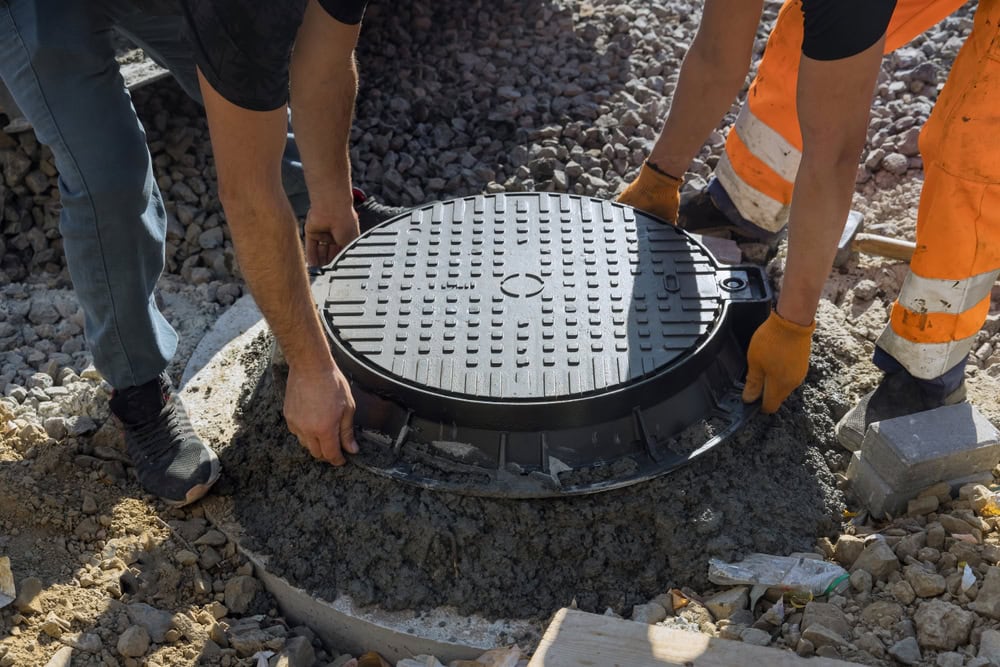
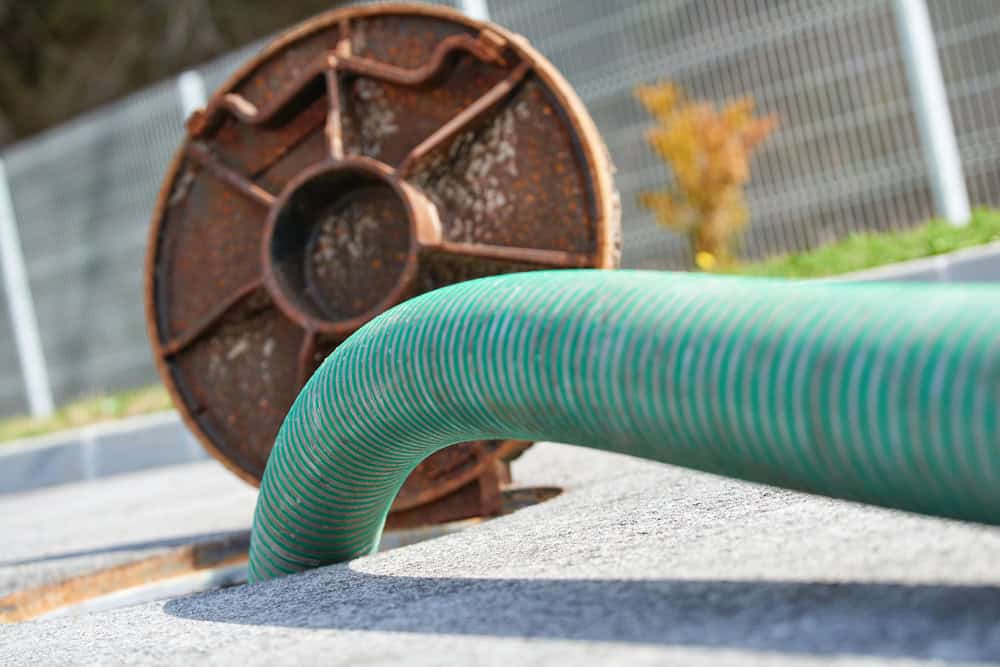
A cesspool is essentially a single underground chamber — usually concrete or block — with perforated walls. Wastewater flows in, solids settle at the bottom, and liquid seeps out through the walls directly into the surrounding soil. There’s no treatment happening. The ground itself is doing the filtering, and over time, it gets worse at that job as the surrounding soil becomes saturated with solids.
A septic system works differently. It uses a sealed tank to separate solids from liquid, then sends that partially treated liquid — called effluent — out through a distribution box and into a leach field, where it filters through gravel and soil before reaching the water table. It’s a two-stage process, and it’s significantly more effective at treating waste before it leaves your property.
The distinction sounds technical, but it has real consequences for how often your system needs pumping, how much that costs, and what happens when something goes wrong.

How to Tell If You Have a Cesspool or a Septic System
This is the question most homeowners don’t think to ask until they’re already standing in a problem. And on Long Island, it’s genuinely common to not know — especially if you bought an older home, moved from New York City, or got conflicting information from a real estate agent and a home inspector during the sale.
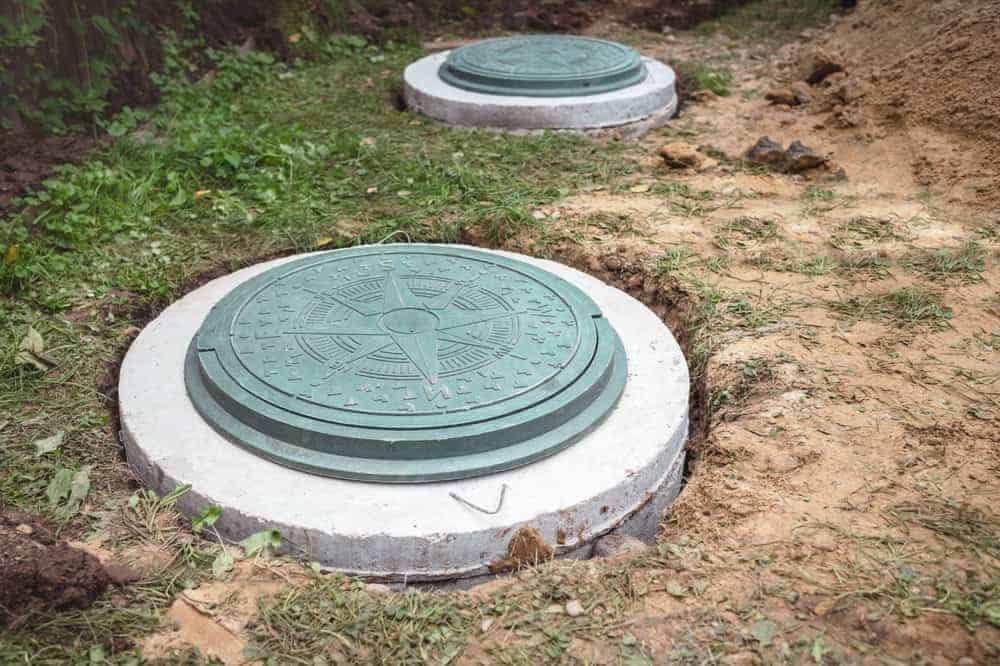
If your property has a single access lid in the yard — or a cluster of concrete rings stacked underground — you likely have a cesspool. Long Island cesspools often have what’s called overflow rings or leaching pools attached: additional chambers that handle excess liquid when the main chamber fills up. These are sometimes mistaken for a septic system, but they’re not the same thing.
A true septic system will have a sealed tank — typically rectangular — along with a separate leach field: a network of perforated pipes running through a stretch of gravel-filled trenches, usually visible as a slightly raised or unusually green patch of grass in the yard. If your yard has no obvious leach field and your home was built before the 1980s, there’s a strong chance you have a cesspool.
The age of your home is one of the most reliable indicators. Suffolk County banned new cesspool installations on July 1, 2019, so anything installed after that date must be a septic system or an approved alternative. But homes built in the post-war boom of the 1940s through 1970s — which make up a huge portion of Long Island’s housing stock — were almost universally built with cesspools.
If you’re not sure what you have, we can identify your system type quickly, often without any excavation. Knowing which system you have isn’t just trivia. It determines your maintenance schedule, your pumping frequency, and whether a symptom like a sewage smell in your basement points to a system-level issue or something simpler in your plumbing.
Cesspool vs Septic Maintenance: What the Difference Costs You
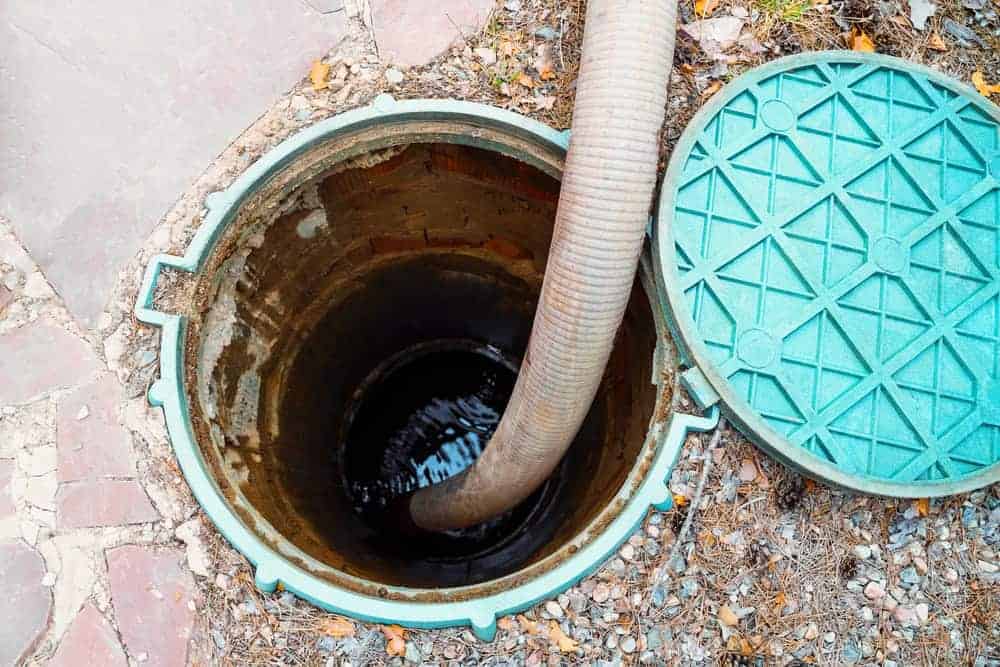
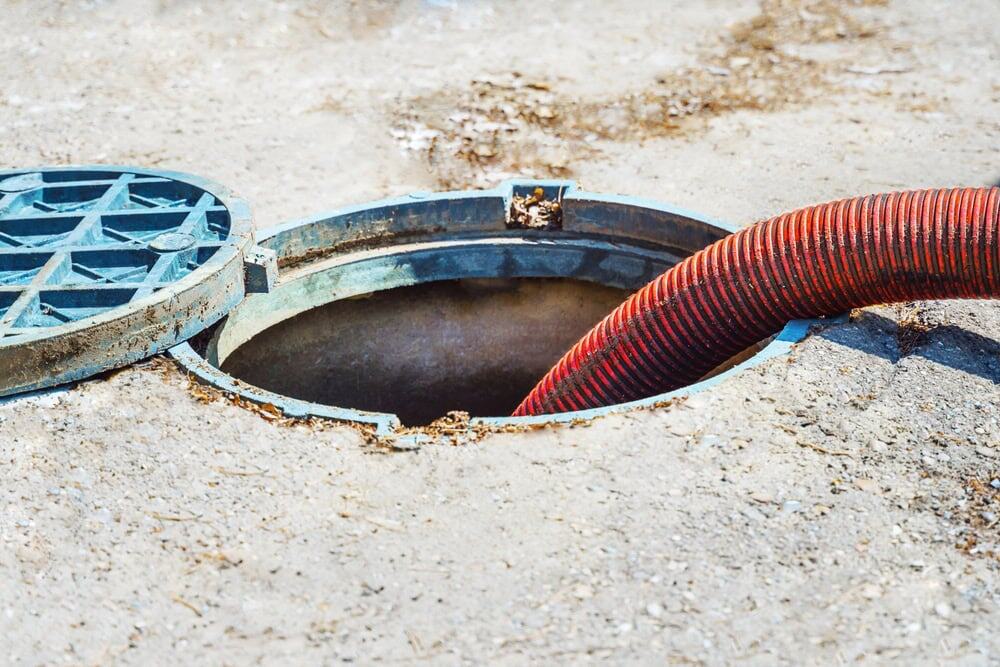
Maintenance is where the cesspool vs septic distinction becomes very concrete, very fast. Cesspools need pumping roughly every one to two years. Because there’s no separation happening inside the chamber, solids accumulate quickly, and if they’re not removed, they start to clog the perforated walls — reducing the system’s ability to disperse liquid and eventually causing backups. Pumping typically runs $400 to $700 per service call. That’s a recurring cost that adds up over a decade of ownership.
Septic systems, by contrast, generally need pumping every three to five years. The tank does a better job of holding and breaking down solids before they become a problem, so the intervals between service visits are longer. Annual maintenance — inspections, distribution line checks, basic upkeep — tends to run in the $75 to $200 range.
The gap in ongoing costs is real, but it’s not the whole picture. The more important number is what happens when you skip maintenance on either system. Homeowners who let maintenance slide on a cesspool — or who inherit one that was neglected by previous owners — can end up facing repair bills that average $3,000 to $8,000.
For Long Island homeowners specifically, there’s another layer to this: the Suffolk County Septic Improvement Program (SCIP) and Nassau County’s SEPTIC program both offer grant funding for homeowners who upgrade to nitrogen-reducing systems. Suffolk County now reimburses up to 75% of project cost, or $25,000, for qualifying systems. Nassau County offers grants of up to $20,000. If you’ve been putting off thinking about an upgrade, those numbers are worth knowing.
Sewage Smell in Basement: What Your System Type Has to Do With It
A sewage smell in the basement is one of the most common reasons Long Island homeowners start searching for answers — and one of the most misunderstood. The instinct is to assume the worst: the cesspool is failing, or the septic system is backed up, and it’s going to cost a fortune to fix. Sometimes that’s true. But not always.
The smell you’re detecting is sewer gas — a mixture of hydrogen sulfide, methane, and carbon dioxide that forms naturally as waste breaks down underground. Under normal conditions, your plumbing system is designed to keep those gases out of your living space. When something in that system fails or dries out, the gas finds a way in.
The key is figuring out whether the source is your underground system or something much simpler inside the house.
Sewer Smell in Basement: Is It Your Cesspool or a Plumbing Problem?
Before you assume your cesspool is failing, check the basics. The most common cause of a sewer smell in the basement has nothing to do with the cesspool or septic system at all — it’s a dried-out P-trap.
Every drain in your home has a P-trap: a curved section of pipe that holds a small amount of water, creating a seal that blocks sewer gases from traveling back up through the drain. In a basement floor drain that rarely gets used — which describes most Long Island homes — that water evaporates over time. Once it’s gone, there’s nothing stopping the gas from coming through. The fix is as simple as pouring a bucket of water down the drain to refill the trap.
Other common culprits include a loose or missing cleanout access plug, a failed wax ring under a toilet, a cracked vent pipe in the wall, or a poorly sealed ejector sump pump lid. None of these require cesspool service to fix — they’re plumbing issues, and we can identify them quickly.
That said, there are times when the smell does point to the underground system. If your cesspool is overdue for pumping, gases can build up and push back through the drain lines into the house. If a distribution line is blocked or a leach field is saturated, pressure in the system increases and odors become more pronounced. On Long Island, where high water tables — especially near the South Shore and Great South Bay — can overwhelm systems during wet seasons, a basement odor that appears after heavy rain is worth taking seriously.
You can’t always diagnose this from the surface. If you’ve ruled out the simple plumbing causes and the smell persists, that’s when it makes sense to have the underground system inspected.
Sewage Odor in Basement: When to Call a Cesspool Professional
There are specific situations where a sewage odor in the basement is telling you something your underground system needs attention — and waiting makes it worse.
If the smell is accompanied by slow drains throughout the house — not just one fixture, but multiple — that’s a sign the system itself may be at or near capacity. A cesspool that hasn’t been pumped in several years, or one that’s reaching the end of its functional life, will start to push back against the wastewater coming in. Slow drains, gurgling sounds from toilets, and odors that appear in multiple areas of the house at once are the classic combination that signals a system-level problem rather than an isolated plumbing issue.
Similarly, if you notice an unusually lush or soggy patch of grass directly above where your cesspool or leach field is located, that’s a sign the system is dispersing waste at the surface rather than underground — which is both a health hazard and a clear indicator that service is needed.
For homeowners in eastern Suffolk County — particularly in areas like Northport or the Hamptons, where seasonal rental use can push a cesspool from near-empty to over-capacity in a matter of days — these symptoms can appear suddenly at the start of summer. A system that handled a quiet winter just fine may not be ready for a full house of guests in July.
The Suffolk County cesspool ban adds another layer of consideration here. If your cesspool fails and needs to be replaced, you can’t simply install another cesspool — county regulations now require an upgrade to a septic system or an Innovative/Alternative Onsite Wastewater Treatment System (IA OWTS). Understanding this before a failure happens gives you time to explore the grant programs and plan the project on your terms, rather than in the middle of a crisis.
If any of these situations sound familiar, the right move is a professional inspection — not to confirm the worst, but to find out exactly what you’re dealing with before you decide anything.
What Long Island Homeowners Should Do Next
The gap between a cesspool and a septic system isn’t just a technical distinction — it affects how often you service your system, what your symptoms mean, and what your options are when something goes wrong. On Long Island, where most of the housing stock was built with cesspools that are now decades old, this knowledge is genuinely useful to have before you need it.
If you’re not sure which system you have, or if you’ve been noticing slow drains, odors, or anything else that doesn’t feel right, we’re here to help. We’ve been serving Long Island since 1980, and we know the soil, the water table, the county regulations, and what’s actually worth worrying about versus what isn’t.
Give us a call or request a free quote — no pressure, no guesswork.