Summary:
You noticed something — a gurgling drain, a slow flush, maybe a smell outside that wasn’t there before. So you called a septic company, someone came out, and at the end of it they told you verbally what they found. Maybe they said you need a full replacement. Maybe they said you’re fine for now. Either way, you walked away with their word and nothing else.
That’s not an inspection. That’s a conversation. And on Long Island, where a septic system failure can affect a home worth well over half a million dollars, the difference matters enormously.
Here’s what a real septic tank inspection actually looks like — and what you should have in your hands when it’s done.
What a Complete Septic System Inspection Covers
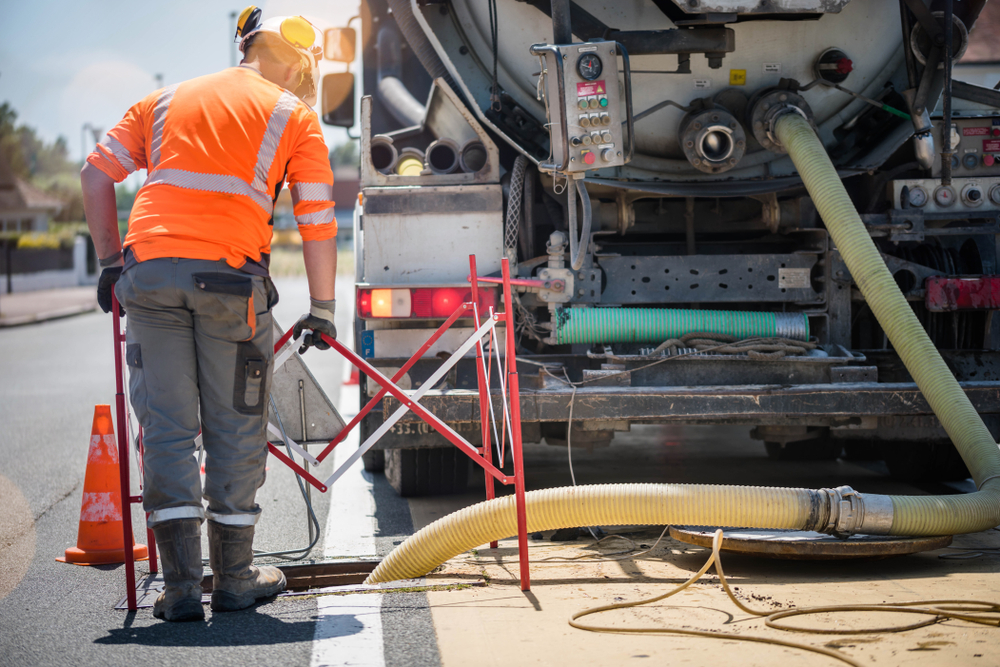
A lot of homeowners assume that getting their tank pumped and getting an inspection are basically the same thing. They’re not. Pumping removes the waste. An inspection evaluates whether the system is functioning correctly — and those are two very different questions.
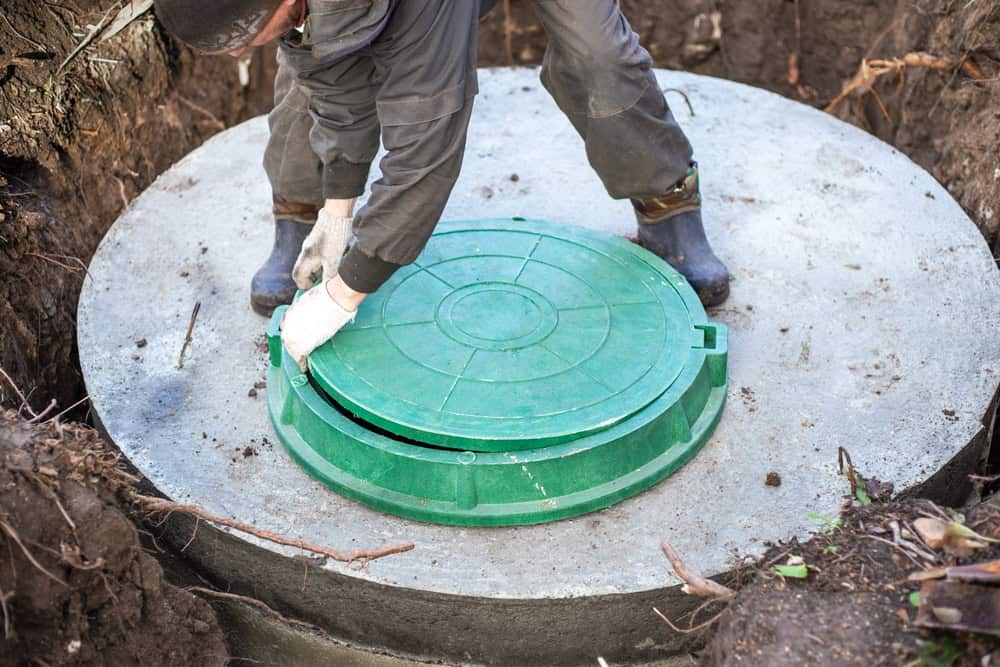
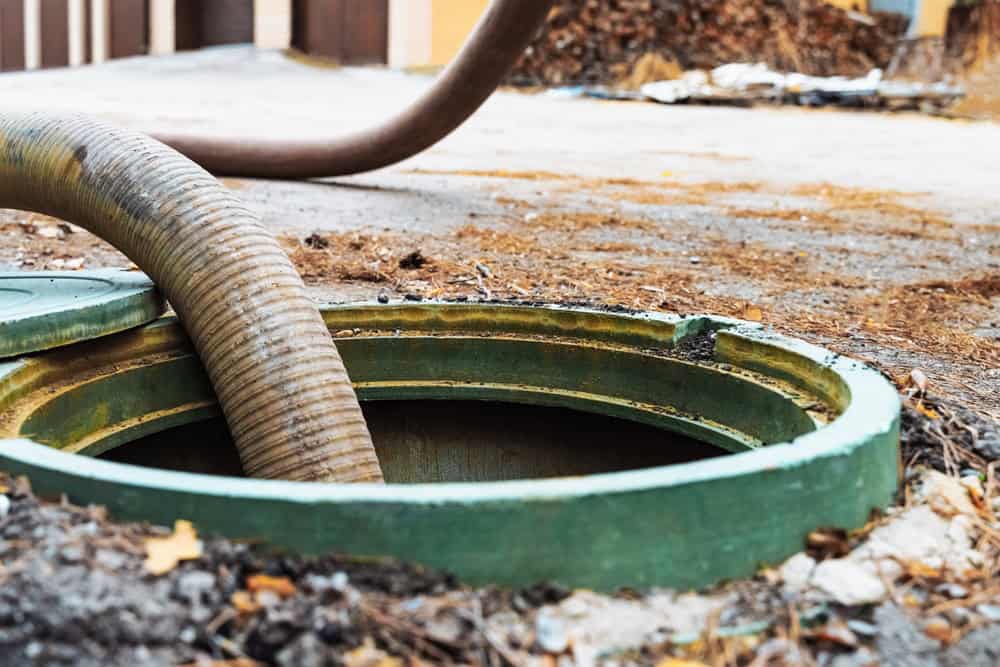
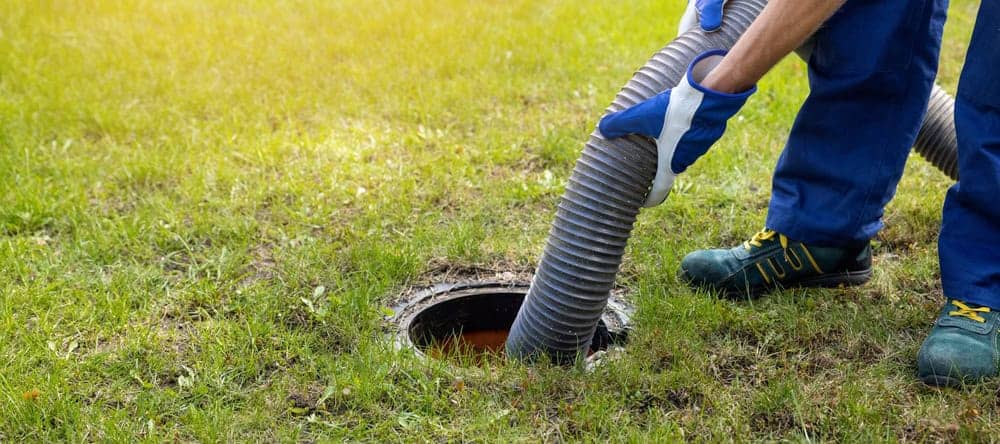
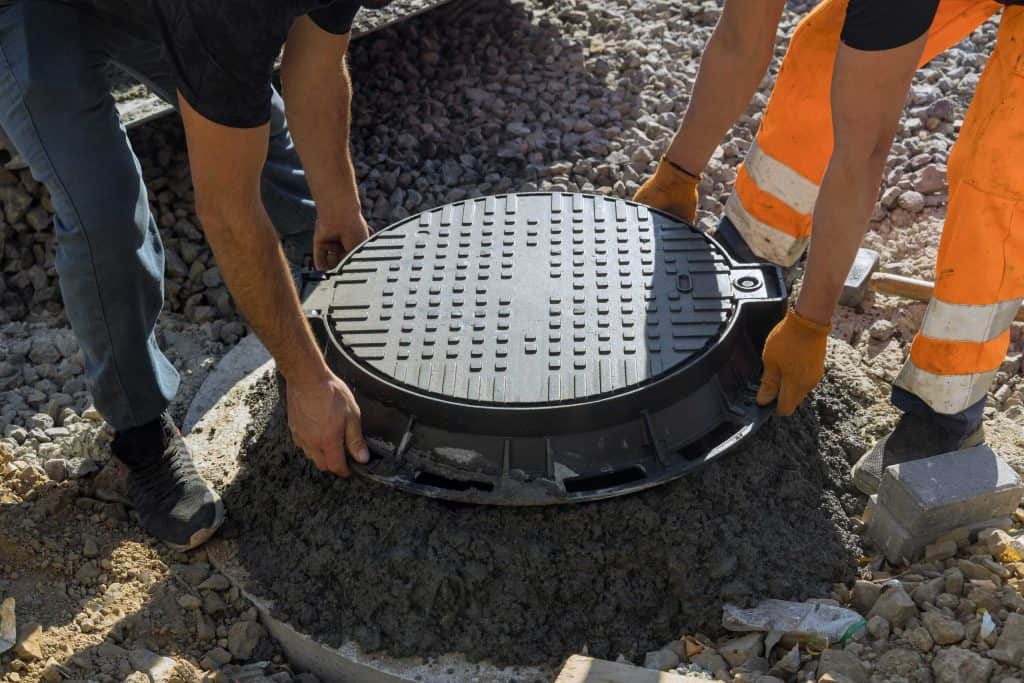
A complete septic system inspection opens the tank, measures sludge and scum depth, checks the condition of the inlet and outlet baffles, evaluates the distribution box for even flow, runs a video camera through the distribution lines, and assesses the leach field for signs of saturation or failure. It also includes electronic locating to map underground components that aren’t visible from the surface.
That’s a lot of ground to cover. If a contractor skips any of those steps — particularly the camera inspection of the lines or the leach field evaluation — you’re getting an incomplete picture of your system’s health.
Why the Camera Inspection of Septic Lines Is Non-Negotiable
Of all the components in a full inspection, the video camera inspection of the distribution lines is the one most commonly skipped — and the one that reveals the most. Root intrusion, pipe cracks, partial blockages, and collapsed sections inside the distribution lines are completely invisible to a probe or a visual surface check. The only way to document what’s happening inside those pipes is to put a camera in them.
This matters for a few reasons. First, a distribution line problem that goes undetected will eventually cause effluent to back up or surface in your yard — and by the time you see it, the problem is already advanced. Second, if a contractor tells you that your system needs major work but can’t show you camera footage to back it up, you have no way to evaluate whether that diagnosis is accurate.
You’re being asked to make a decision that could cost anywhere from a few hundred dollars for a minor repair to $15,000 or more for a drain field replacement — and the only evidence you have is someone’s verbal assessment. A camera inspection doesn’t just find problems; it creates a visual record that either supports or contradicts what the contractor is telling you.
On Long Island specifically, this matters even more because of the soil conditions. Long Island sits on a glacial outwash plain with a shallow water table, particularly across Nassau County and western Suffolk County. That geology makes root intrusion into distribution lines more common than in other markets, because tree roots follow moisture — and in a shallow-water-table environment, your septic lines are a very attractive target.
We’ve been working in this specific soil and water table environment since 1980, and camera inspection is a standard part of every inspection we perform — not an optional add-on.
Sludge Depth, Baffle Condition, and Leach Field Evaluation
Each component of a thorough inspection answers a different question about your system’s health. Sludge and scum depth measurement tells you how fast waste is accumulating and whether your current pumping schedule is appropriate for your household size and usage. If the sludge layer is building faster than expected, that’s a sign the system may be under stress — or that your pumping frequency needs to change before a bigger problem develops.
Baffle condition is one of the most important and most overlooked parts of the inspection. The inlet and outlet baffles inside your tank are what prevent solids from flowing out of the tank and into the distribution lines and leach field. A deteriorated or missing baffle means solids are escaping the tank — and once solids reach the leach field, you’re looking at potential soil clogging that can be expensive to reverse. Catching a failing baffle early is the difference between a straightforward repair and a field replacement.
The leach field evaluation — which includes assessing soil absorption rates and looking for signs of surfacing effluent or saturation — is where the most expensive failures are either caught early or missed entirely. Drain field replacement on Long Island can cost between $3,000 and $15,000 depending on the scope. Leach field rejuvenation, when caught at an earlier stage, runs between $1,000 and $5,000. The inspection is what determines which situation you’re actually in.
A contractor who doesn’t formally evaluate the leach field — and document what they found — is leaving the most critical variable out of the equation entirely.
Septic Tank Repair Starts With a Written Report
This is the part most homeowners don’t know to ask about. When the inspection is done, you should receive a written report — not a verbal summary, not a text message, not a contractor’s word. A written report with documented findings is what separates a legitimate inspection from an educated guess.
That report should include the measurements taken (sludge depth, scum depth), the condition of each inspected component rated in a way you can understand, any camera footage references, and a clear list of recommended actions with the reasoning behind them. If a contractor recommends a full system replacement but can’t point you to specific documented findings that support that conclusion, that’s a serious red flag.
How to Tell If You're Getting a Complete Inspection or an Incomplete One
The septic industry has a documented problem with contractors who use the inspection as a sales opportunity rather than a diagnostic one. It’s not universal, and most contractors are honest — but the pattern is real enough that consumer protection resources specifically warn about it.
The most common version: a contractor arrives, does a surface-level assessment, and tells the homeowner verbally that the system is failing and needs immediate replacement. No written documentation. No specific measurements. No camera footage. Just a number and a sense of urgency.
The homeowner, who has no benchmark for what a complete inspection looks like, has no way to evaluate whether that assessment is accurate. And that’s exactly the vulnerability being exploited.
Knowing what a complete inspection covers gives you a benchmark. Before you hire anyone, ask specifically: Will you open the tank and measure sludge and scum depth? Will you run a camera through the distribution lines? Will you evaluate the distribution box and leach field? Will I receive a written report with findings when you’re done?
A contractor who hesitates on any of those questions — or who tells you a written report isn’t standard — is telling you something important. The written report isn’t a formality. It’s the only thing that lets you verify the diagnosis, compare it against future inspections, and make an informed decision about repairs or upgrades. Without it, you’re making a significant financial decision based entirely on trust in someone you just met.
Septic System Repair and Long Island's Mandatory Inspection Requirements
Here’s something many Long Island homeowners don’t know: in Suffolk County, septic system inspection is no longer optional. The county now requires inspections every three years, with findings reported to the county database. Nassau County operates on a five-year inspection cycle. These aren’t suggestions — they’re compliance obligations, and they exist because more than 70% of Suffolk County residents rely on septic systems rather than municipal sewers, making the cumulative impact of failing systems a genuine public health and environmental issue.
What this means practically is that the inspection isn’t just about your system’s health — it’s about your compliance status. If you haven’t had a documented inspection in the last three years and you’re in Suffolk County, you may already be out of compliance. A verbal conversation with a contractor doesn’t satisfy that requirement.
For homeowners who are also navigating the transition away from cesspools — which Suffolk County banned from new installation in 2019 — the inspection is often the first step in understanding what an upgrade path looks like and whether you qualify for grant funding. The Suffolk County Septic Improvement Program offers grants covering up to $30,000 for qualifying upgrades to nitrogen-reducing systems, which can cost between $15,000 and $25,000 installed. That’s a meaningful offset — but you can only access it if you have a documented inspection that establishes your current system’s condition and what’s required.
Septic system repair and upgrade decisions on Long Island are also shaped by the county’s I/A OWTS (Innovative/Alternative Onsite Wastewater Treatment Systems) requirements, which have been in effect since July 1, 2021. If you’re in a designated priority area — particularly near a bay, harbor, or sound — your inspection may trigger enhanced requirements including groundwater monitoring and nitrogen reduction assessments.
We’ve been navigating these regulations alongside Long Island homeowners for over four decades, and understanding the local regulatory landscape is as much a part of what we do as the inspection itself.
What to Do After a Septic Tank Inspection on Long Island
A septic tank inspection is only as useful as the documentation it produces. If you walk away with a verbal verdict and no written report, you don’t have an inspection — you have an opinion. And opinions don’t satisfy Suffolk County’s mandatory reporting requirements, don’t give you a baseline for future inspections, and don’t protect you if that diagnosis turns out to be inflated.
What you should have at the end of a complete inspection is a written report with specific measurements, a component-by-component assessment, and clear recommended next steps with documented reasoning. That’s the standard. Anything less leaves you making decisions without the information you need.
If you’re overdue for an inspection, noticing symptoms, or simply want to know what your system’s actual condition is — with documentation you can rely on — reach out to Antorino & Sons. We serve Nassau and Suffolk Counties and provide upfront pricing before any work begins, with no surprise charges after we arrive.