Summary:
You flushed the toilet, and instead of silence, you got a low gurgle. Maybe it happened once. Maybe it’s been happening for a few weeks and you’ve been half-ignoring it, assuming it’s just the pipes being old. That’s a reasonable first instinct — but it’s usually wrong. Gurgling is your plumbing system communicating something specific. The cause could be minor, or it could be the early sign of a much bigger problem working its way toward your home’s drain lines. Here’s how to tell the difference — starting with the least serious cause and working toward the one Long Island homeowners need to take most seriously.
What the Sound Is Actually Telling You
Gurgling happens when air gets displaced inside your drain pipes and has nowhere to go except back up through the nearest opening — which is usually the toilet bowl. You hear it as that low, wet bubbling sound right after a flush, or sometimes even when you haven’t flushed at all.
It’s not a quirk of old plumbing. It’s a pressure problem, and pressure problems have causes. The four causes below are ranked from the simplest fix to the most serious. Where you land on that spectrum depends on a few things: whether it’s just the toilet making noise or multiple fixtures, whether it happens every time you flush or randomly, and — especially on Long Island — when your cesspool was last serviced.
Cause 1: Partial Clog in the Toilet Drain
The most common cause of toilet gurgling is a partial clog somewhere in the toilet’s immediate drain line. Waste or debris — often non-flushable wipes, paper buildup, or small objects — creates a partial obstruction that traps air pockets.
When water rushes past the blockage during a flush, it displaces that trapped air back up through the bowl. You hear a gurgle. The toilet still flushes, which is why most people assume everything is fine. It’s not fine, but it’s also not an emergency yet.
A flange plunger or a toilet auger can clear many of these clogs without a service call. If the gurgling stops after a few good plunges, you probably caught it early. If it comes back, the clog is either deeper or something else is going on.
Cause 3: Partial Blockage in the Main Drain Line
When the gurgling isn’t isolated to one toilet — when your kitchen sink drains slow, your tub takes longer than usual, and the toilet makes noise — you’ve moved past a single-fixture problem. That combination of symptoms points to a partial blockage somewhere in the main drain line connecting your home’s plumbing to the cesspool or sewer.
Tree roots are the most common culprit on Long Island. The older the neighborhood, the more established the trees, and the more likely their roots have worked their way into aging drain pipes over decades. Grease accumulation, debris buildup, and pipe sections that have shifted or developed a low spot — called a belly dip — can also create the kind of partial restriction that produces system-wide gurgling before things get visibly worse.
This is an important distinction: a main drain line blockage doesn’t always announce itself with a full backup right away. It starts with gurgling and slow drains. Those are the early signals. If you address them at this stage, the fix is typically a high-pressure jet cleaning or a drain snake — a few hundred dollars rather than an emergency excavation job. If you wait until the line backs up completely, the costs climb fast and the mess gets significantly worse.
A camera inspection is the cleanest way to diagnose a main line issue. It tells you exactly where the restriction is, what caused it, and whether the pipe itself is damaged or just obstructed. Guessing at the cause and treating it without that information often means doing the job twice.
Toilet Bubbling When Flushed: When the Cesspool Is the Real Problem
For most of the country, a gurgling toilet points to a vent pipe or a drain clog. On Long Island, there’s a fourth cause that’s more common here than almost anywhere else in the Northeast — and it’s the most serious one on this list.
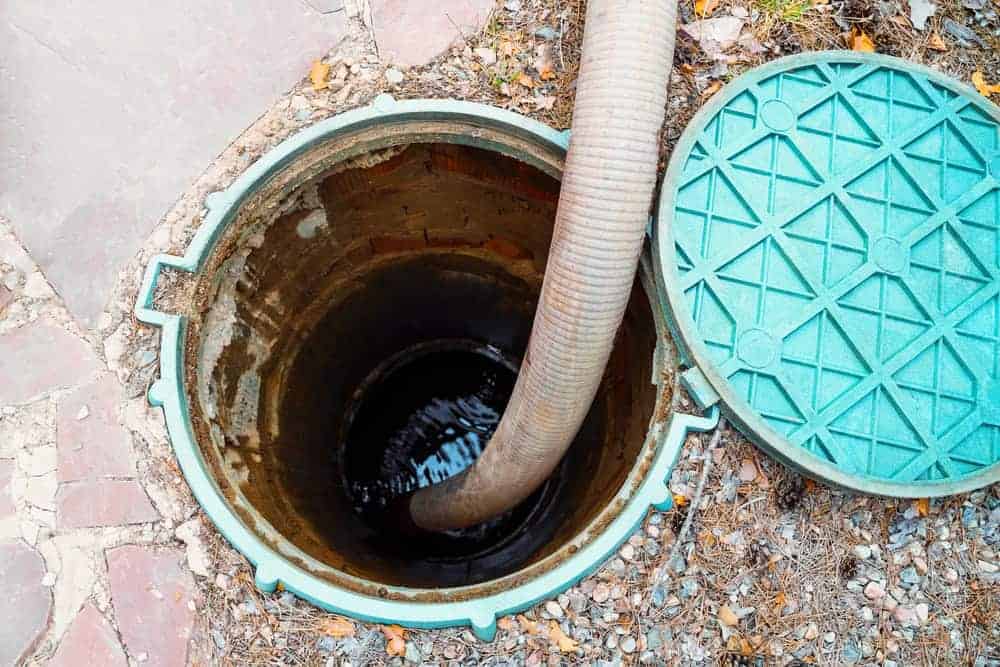
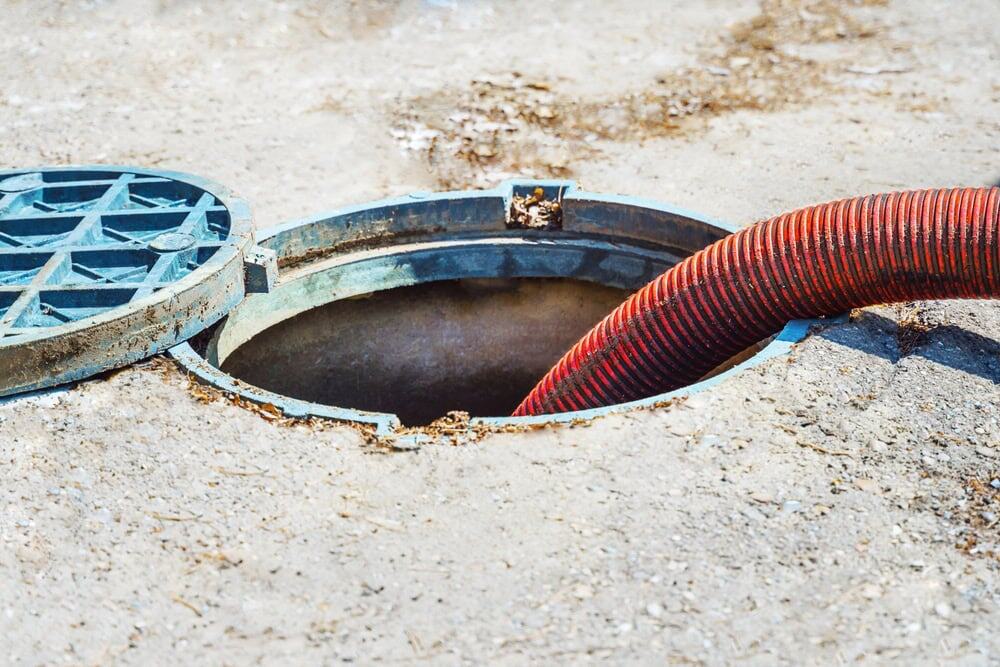
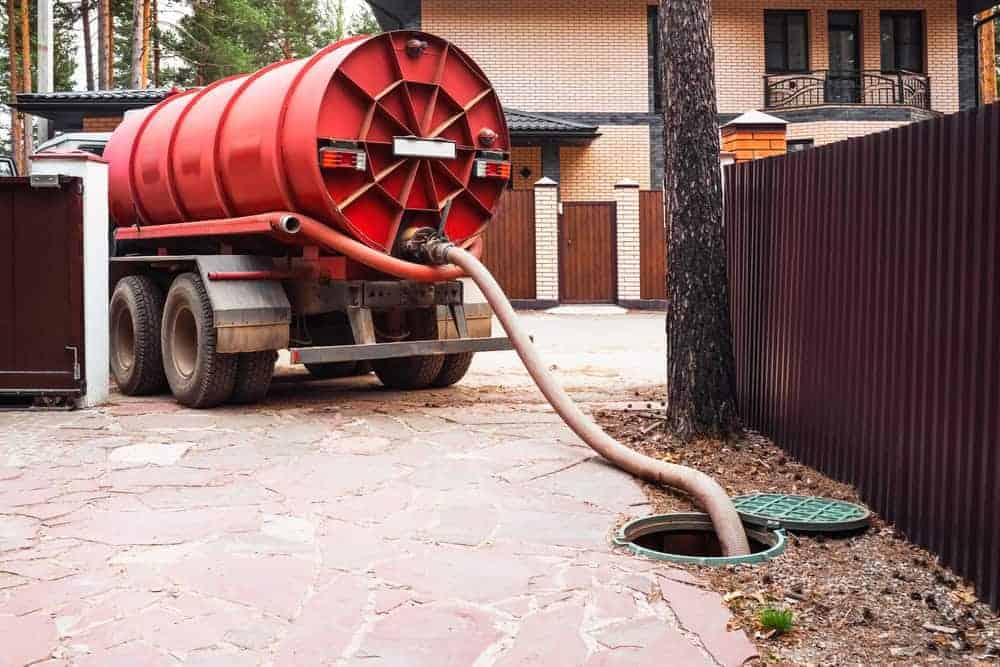
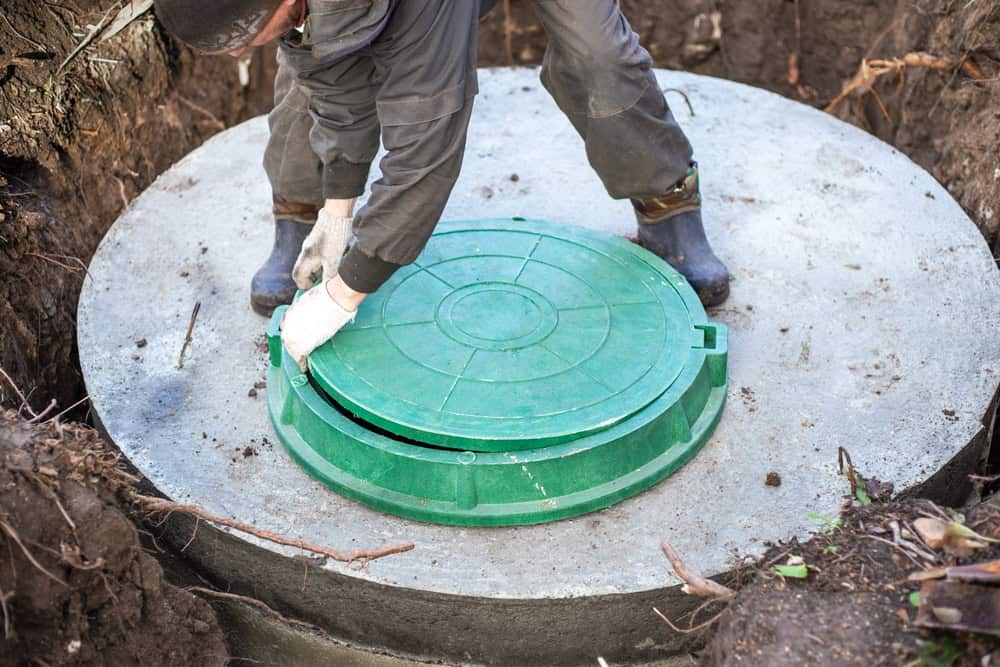
Long Island has somewhere between 252,000 and 360,000 homes that rely on individual cesspool or conventional septic systems instead of municipal sewer connections. When one of those cesspools starts approaching capacity, it creates hydraulic backpressure throughout the home’s drain system. Air displaced by rising waste levels has nowhere to go except back through the fixtures — and the toilet is usually the first place you hear it. That bubbling or gurgling sound when you flush is often the earliest audible sign that a cesspool is getting full, sometimes weeks before slow drains or backups appear.
Toilet Bubbling When Showering: What Cross-Fixture Gurgling Really Means
Here’s the diagnostic detail that matters most: if flushing your toilet causes gurgling, the problem might still be isolated to that one fixture. But if running a different fixture — the shower, the washing machine, the bathtub — causes your toilet to bubble or react, you’ve already moved past cause one.
That cross-fixture behavior is the system telling you something is wrong in a shared drain line, the vent stack, or the cesspool itself. When you run the shower and the toilet gurgles, the displaced air is traveling through shared drain pipes and surfacing at the toilet bowl because that’s the path of least resistance. That almost never happens with a single-fixture clog. It points to a deeper, system-wide pressure problem that a plunger isn’t going to solve.
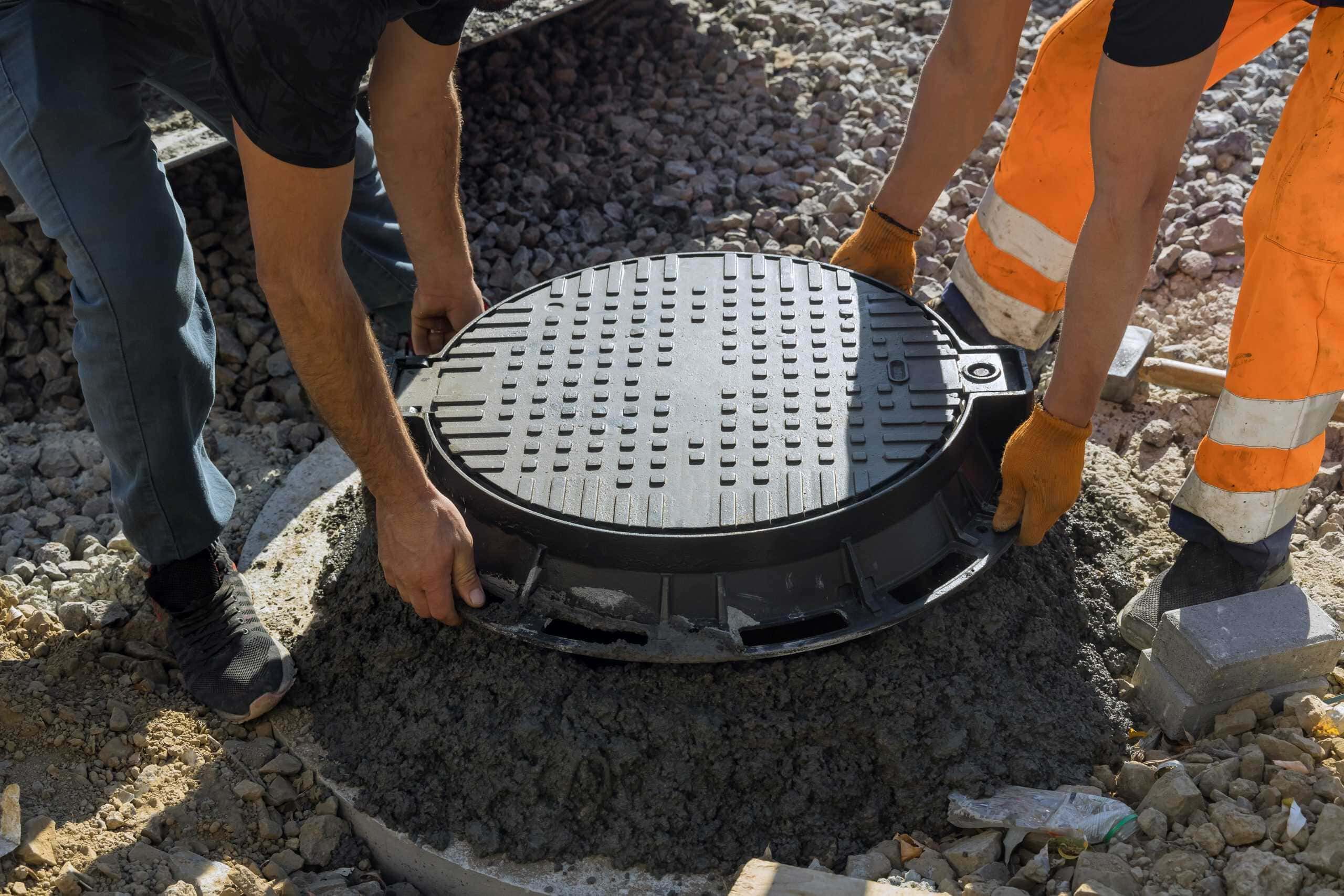
This specific scenario — toilet bubbling when showering — is worth paying close attention to on Long Island because of how the region’s cesspool systems are built. Many cesspools in central Suffolk County communities like Holbrook and Bohemia sit with their lids only 18 to 24 inches below grade. In the sandy fill soil common to those areas, a cesspool approaching capacity can push backpressure into the drain system fast — sometimes within a week of the first slow drain appearing.
What starts as a toilet that gurgles when the shower runs can escalate to a full backup in a short window. If you notice cross-fixture gurgling, the most useful question to ask yourself is: when was your cesspool last pumped? Most Long Island cesspools need servicing every one to three years depending on household size — families of four are typically on a one to two year cycle. If you can’t answer that question with any certainty, that uncertainty is itself diagnostic information.
Why Ignoring a Gurgling Toilet Costs Long Island Homeowners More Than It Should
The gurgling sound is easy to rationalize away. The toilet still flushes. Nothing is overflowing. It’s probably nothing. That line of thinking is exactly how a routine pump-out turns into an emergency repair bill averaging $3,000 to $8,000.
There’s also a regulatory dimension that’s specific to Long Island and genuinely changes the math. Suffolk County banned the installation of traditional cesspools in 2019. That means if your existing cesspool fails and needs full replacement, you’re not replacing it with another cesspool — you’re required to install an Innovative/Alternative Onsite Wastewater Treatment System, which typically costs $19,000 to $25,000. Compare that to what traditional cesspool replacement used to cost at $6,500 to $8,000, and the gap is significant. Grant programs through Suffolk County and New York State can offset some of that cost, but the baseline has changed permanently.
Most gurgling toilets don’t lead to full system replacement. But the ones that do almost always started with a symptom that got dismissed. A cesspool that’s caught at the gurgling stage — before the slow drains become backups and before the backups become structural damage — is a cesspool that gets serviced, not replaced.
Suffolk County now requires cesspool inspections every three years, with results reported to the county database. Nassau County operates on a five-year inspection cycle. If you’re overdue on either of those schedules, a gurgling toilet is a reasonable prompt to get current. The inspection exists for exactly this reason: to catch problems at the stage where they’re still manageable.
One more thing worth knowing: chemical drain cleaners are not the answer for a cesspool-connected system. They kill the beneficial bacteria inside the cesspool that help break down waste, which accelerates the problem rather than fixing it. If you’ve already poured something down the drain hoping to quiet the gurgling, mention that when you call — it’s useful information for whoever is assessing the system.
When Should You Call About a Gurgling Toilet on Long Island?
If it’s one toilet, it happened once, and it stopped — keep an eye on it. If it keeps coming back, if multiple fixtures are involved, if the toilet reacts when the shower runs, or if you genuinely don’t know when your cesspool was last serviced, those are the situations that warrant a call before they become something worse.
A gurgling toilet will not fix itself. The underlying cause — whether it’s a vent blockage, a partial drain restriction, or a cesspool under backpressure — doesn’t resolve on its own. What changes is how serious it gets while you wait.
We’ve been diagnosing and servicing cesspool systems across Nassau and Suffolk Counties since 1980, and we give you a clear picture of what’s going on before any work begins — no surprises on the bill, no pressure to do more than the situation actually calls for. If you’re not sure what your toilet is telling you, Antorino & Sons is a good place to start.