Summary:
How Cesspool Systems Work on Long Island
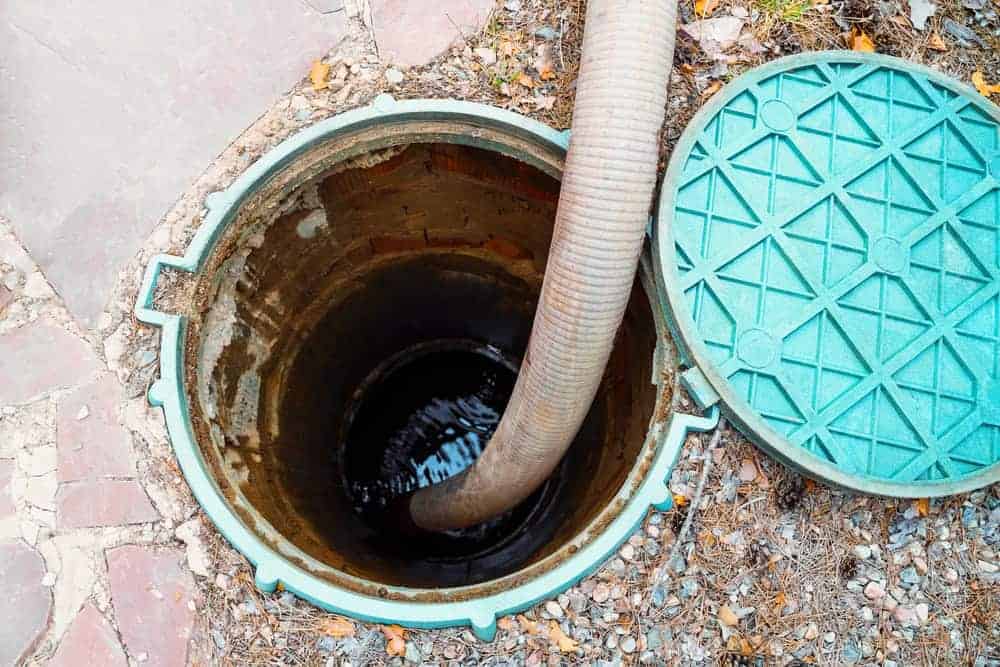
Most Long Island homes built before 1973 have cesspools instead of modern septic systems. A cesspool is essentially a large underground pit—usually concrete or brick—that collects all the wastewater from your home. Unlike septic tanks that separate solids from liquids and treat the waste, cesspools just hold everything while liquids slowly seep into the surrounding soil through porous walls.
That’s the problem right there. Long Island’s sandy soil means liquid drains away relatively quickly, but solids accumulate at the bottom. Over time, these solids build up, clog the porous walls, and reduce your cesspool’s capacity. Eventually, there’s nowhere for new wastewater to go except back up through your drains.
The whole system depends on regular cesspool pumping to remove that accumulated sludge before it causes problems. Skip the maintenance, and you’re essentially playing Russian roulette with your plumbing every time someone flushes a toilet.

Why Long Island Cesspools Fail Faster Than Other Regions
Long Island’s unique geography creates specific challenges for cesspool systems that homeowners in other areas don’t face. Your drinking water comes entirely from underground aquifers—the same ground your cesspool drains into. Suffolk County already has higher nitrate levels in its drinking water than 95% of the country, largely because of aging cesspools leaking untreated waste into the groundwater.
The sandy soil that makes Long Island beaches beautiful also makes cesspools fail faster. Sand doesn’t filter contaminants the way clay soil does in other regions. It just lets everything pass through quickly, which means your cesspool affects the water table almost immediately. That’s why Suffolk County banned new cesspool installations back in 2019 and why regulations keep getting stricter.
Your cesspool also sits in an area with a relatively high water table. During heavy rains or when the water table rises seasonally, groundwater can flood into your cesspool through those same porous walls. This adds extra volume your system wasn’t designed to handle and can trigger backups even if you just had the tank pumped. It’s not your fault—it’s just the reality of Long Island’s geology.
Many cesspools in Nassau and Suffolk Counties were built before 1970 using concrete blocks that have far exceeded their intended lifespan. These aging systems are essentially time bombs. The concrete deteriorates, structural integrity weakens, and eventually, the whole thing can collapse inward, creating a sewage-filled sinkhole in your yard. When that happens, you’re not just looking at cesspool pumping costs—you’re facing complete system replacement, property damage, and potential injury to anyone who happens to be in the wrong place when it gives way.
The combination of old infrastructure, sandy soil, high water tables, and environmental regulations means Long Island homeowners need to be more proactive about cesspool services than property owners almost anywhere else in the country. Regular maintenance isn’t optional here—it’s essential for protecting your home, your family, and your community’s water supply.
Signs Your Cesspool Needs Immediate Attention
Your cesspool will tell you when it’s in trouble—you just need to know what to listen for. Slow drains are usually the first warning sign. If water takes longer than usual to drain from your sinks, showers, or tubs, that’s your system saying it’s reaching capacity. When multiple drains slow down at the same time, you’re probably days or even hours away from a backup.
Foul odors are your next red flag. A properly functioning cesspool shouldn’t smell. If you notice sewage odors inside your home—especially near drains or in the basement—or if there’s a persistent rotten egg smell around your yard, your cesspool is either full or failing. Don’t try to mask the smell with air fresheners. That’s like putting a bandaid on a broken bone. The problem will only get worse.
Gurgling sounds from your toilets or drains mean air is trapped in your plumbing because wastewater can’t flow freely into your cesspool. This often happens right before a backup. If your toilet makes strange noises when you run water elsewhere in the house, call for cesspool services immediately—don’t wait for the actual backup.
Wet spots or pooling water in your yard, especially above where your cesspool is located, indicate the system is overflowing. The sewage has nowhere to go inside the tank, so it’s surfacing in your yard. This isn’t just unpleasant—it’s a health hazard. Raw sewage contains dangerous bacteria, viruses, and parasites that can cause serious illness, especially if you have children or pets playing in the yard.
Lush, unusually green grass growing in patches above your cesspool might seem like a good thing, but it’s actually a warning sign. The extra moisture and nutrients from leaking sewage act like fertilizer, making the grass grow faster and greener than the surrounding lawn. It means your cesspool is leaking, and you need professional help before the problem escalates.
If you’re experiencing any of these warning signs, the worst thing you can do is wait and hope it gets better on its own. It won’t. Cesspool problems only escalate, and the longer you wait, the more expensive the fix becomes. A few hundred dollars for preventive cesspool pumping beats $3,000 to $7,000 for emergency sewage cleanup every single time.
What Professional Cesspool Services Include
Professional cesspool services go way beyond just pumping out your tank. A legitimate company starts with a thorough inspection to understand what’s happening with your system. We locate your cesspool, check the structural condition, measure sludge levels, and look for signs of damage or failure.
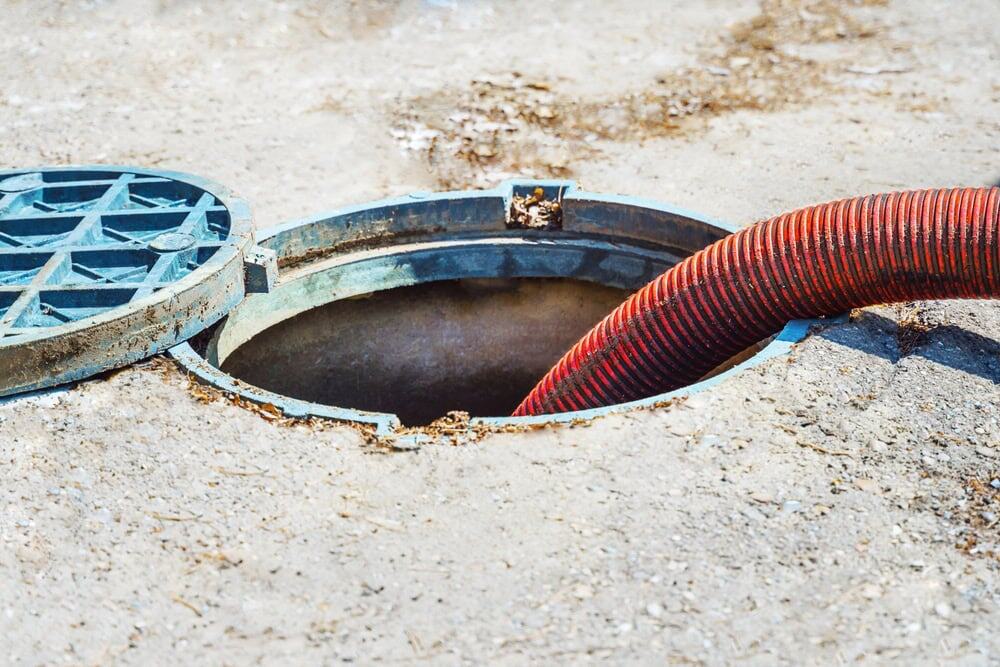
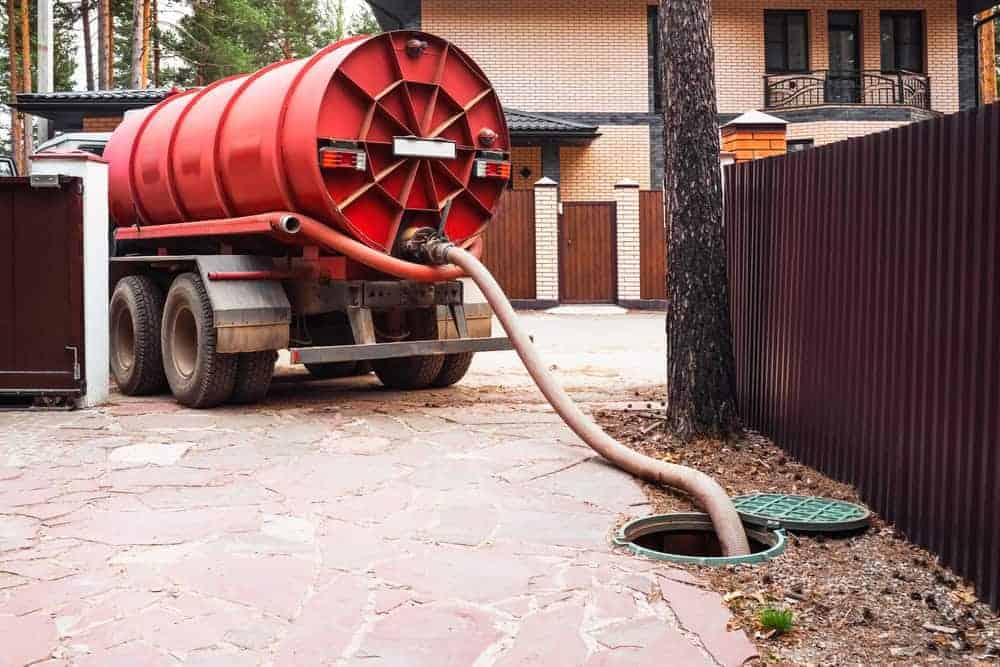
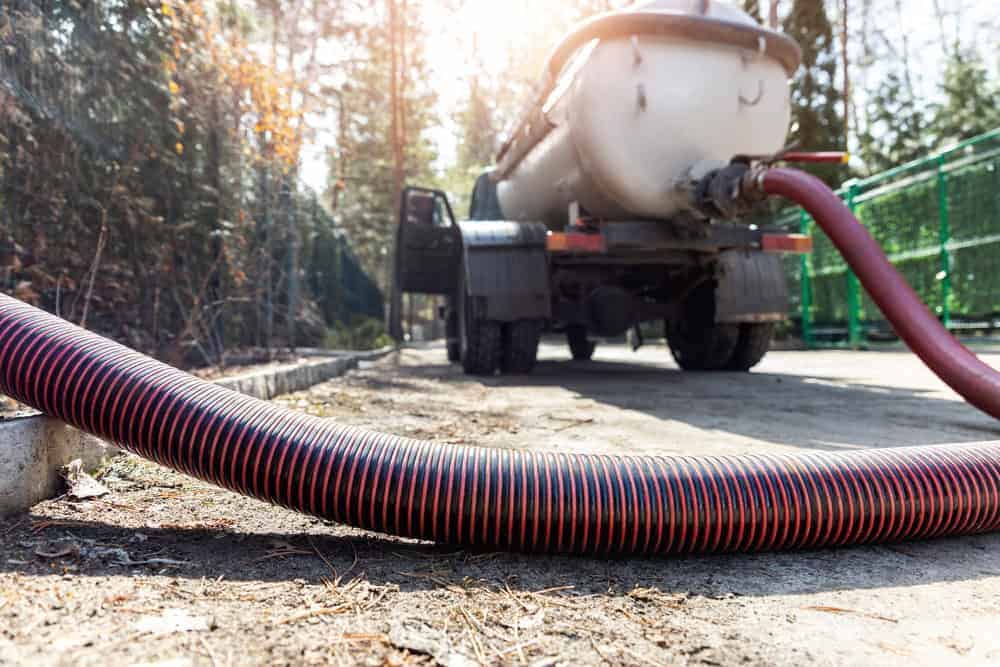
The pumping process itself uses specialized vacuum trucks to extract both liquid waste and accumulated solids from your cesspool. This isn’t something you can DIY with a shop vac—we’re talking about industrial equipment designed to handle thousands of gallons of sewage safely. Professional technicians know how to pump the tank without damaging the structure or leaving residue that will cause problems later.
After pumping, good cesspool services include documentation of what we found, recommendations for ongoing maintenance, and honest advice about whether your system needs repairs or might be approaching the end of its lifespan. This information helps you plan ahead instead of getting blindsided by an emergency replacement down the road.
How Often Long Island Homeowners Need Cesspool Pumping
Most Long Island cesspools need pumping every 1 to 2 years—significantly more often than septic tanks, which typically go 3 to 5 years between pumpings. The exact frequency depends on your household size, water usage, and the age and condition of your system. A single person living alone might stretch it to 3 years. A family of four should probably pump annually.
Here’s the math that matters: your cesspool holds between 1,000 and 1,500 gallons on average. The average person uses about 70 gallons of water per day. That water has to go somewhere. If your cesspool is half full of accumulated solids, you’ve only got half the capacity to work with. Do the math on your household, and you can see how quickly things add up.
Commercial properties have completely different requirements. Restaurants, offices, and other businesses typically need cesspool services every 30 to 120 days depending on usage. A busy restaurant might need monthly service, while a small office could go quarterly. The key is establishing a regular schedule based on actual usage rather than waiting for problems to develop.
The cost of regular cesspool pumping ranges from $200 to $500 for most residential properties on Long Island. Emergency calls—especially nights, weekends, or holidays—can easily double or triple that cost. Plus, you’re dealing with sewage in your home, property damage, and the stress of an emergency situation. Scheduled maintenance is always cheaper and less stressful than emergency service.
Some homeowners try to stretch the time between pumpings to save money. That’s penny-wise and pound-foolish. When your cesspool fills beyond capacity, you’re not just risking a backup—you’re accelerating wear on the entire system. The pressure from an overfull tank can crack concrete, damage pipes, and force sewage into areas it was never meant to go. A $400 pumping every two years is infinitely cheaper than a $20,000 system replacement.
Understanding Suffolk County Cesspool Regulations And Requirements
Suffolk County banned new cesspool installations effective July 1, 2019, as part of a broader effort to reduce nitrogen pollution in Long Island’s groundwater. If your cesspool fails completely or needs replacement, you can’t just install another cesspool—you’ll need to upgrade to at least a basic septic system or, in many cases, an advanced nitrogen-reducing system.
This regulation doesn’t mean you have to replace your current cesspool if it’s still functioning. Existing cesspools are grandfathered in and can continue operating as long as they’re properly maintained. However, if your system fails or requires major repairs, that’s when the upgrade requirements kick in. This is why preventive maintenance through regular cesspool services is more important than ever—keeping your current system running avoids forcing an expensive upgrade.
The good news is that both Suffolk and Nassau Counties offer grants to help offset upgrade costs. Suffolk County provides up to $10,000 in grants, while Nassau County offers up to $20,000 for qualifying homeowners who install nitrogen-reducing systems. Some East End towns offer additional funding that can bring the total available assistance up to $50,000 in certain areas. These grants significantly reduce the financial burden of upgrading from a cesspool to a modern septic system.
To qualify for these grants, your property must be your primary residence, served by a cesspool or septic system (not connected to municipal sewers), and you’ll need to use an approved contractor from the county’s list. The application process requires documentation and inspections, but the savings can cover most or all of the installation cost for an advanced treatment system.
Understanding these regulations helps you plan ahead rather than getting caught off guard when your cesspool fails. If your system is approaching 40 or 50 years old, start researching your options now. Know what grants you might qualify for, understand what type of system you’d need based on your property’s characteristics, and have a plan in place before you’re forced to make decisions during an emergency.
Many Long Island homeowners also don’t realize that improper cesspool maintenance can result in fines. If your failing system contaminates neighboring properties or groundwater, you could face penalties ranging from $250 to $2,000 or more. Regular professional cesspool services aren’t just about avoiding backups—they’re about staying compliant with local regulations and being a responsible member of your community.
Protecting Your Long Island Home from Cesspool Disasters
Your cesspool won’t give you much warning when it’s about to fail. The time to act is before you’re standing in sewage at 2 AM wondering who to call. Regular cesspool services—pumping every 1 to 2 years, watching for warning signs, and addressing small problems before they become emergencies—protect your home, your family’s health, and your wallet.
Long Island’s unique challenges—sandy soil, high water tables, aging infrastructure, and strict environmental regulations—mean you can’t afford to neglect your cesspool. The few hundred dollars you spend on preventive maintenance saves thousands in emergency repairs, protects your property value, and helps preserve the groundwater that provides drinking water for your entire community.
When you do need help, choose a company that understands Long Island’s specific challenges and won’t take advantage of your emergency. Transparent pricing, 24/7 availability, and honest advice about what your system actually needs make all the difference. We provide professional cesspool services throughout Long Island, NY with the expertise and reliability you need when your system decides to quit.