Summary:
How Cesspools Actually Work on Long Island
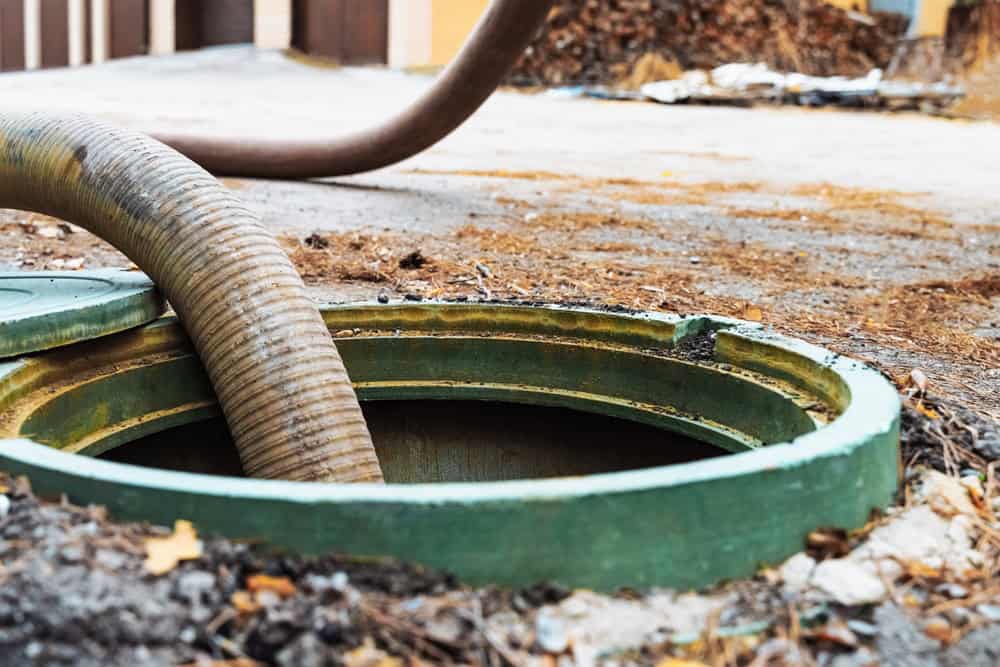
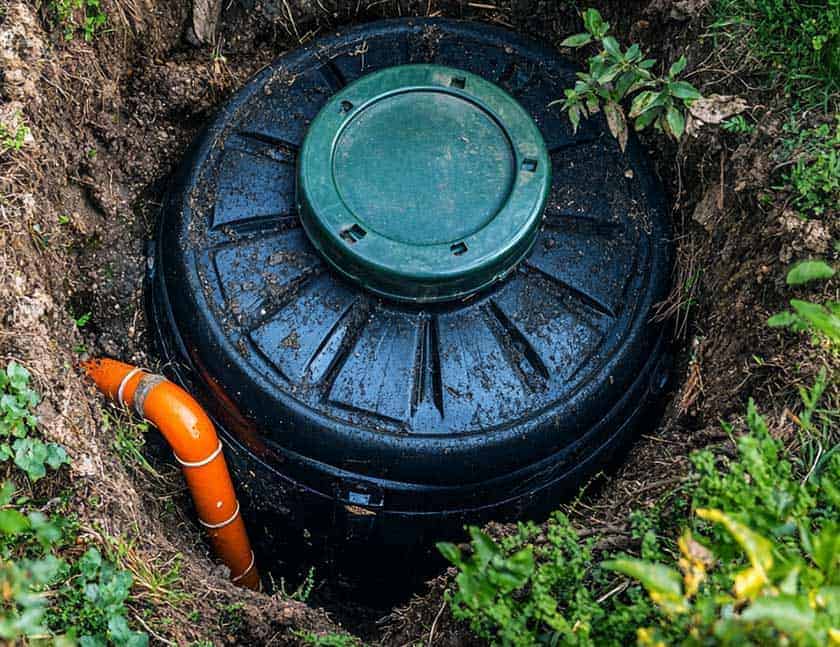
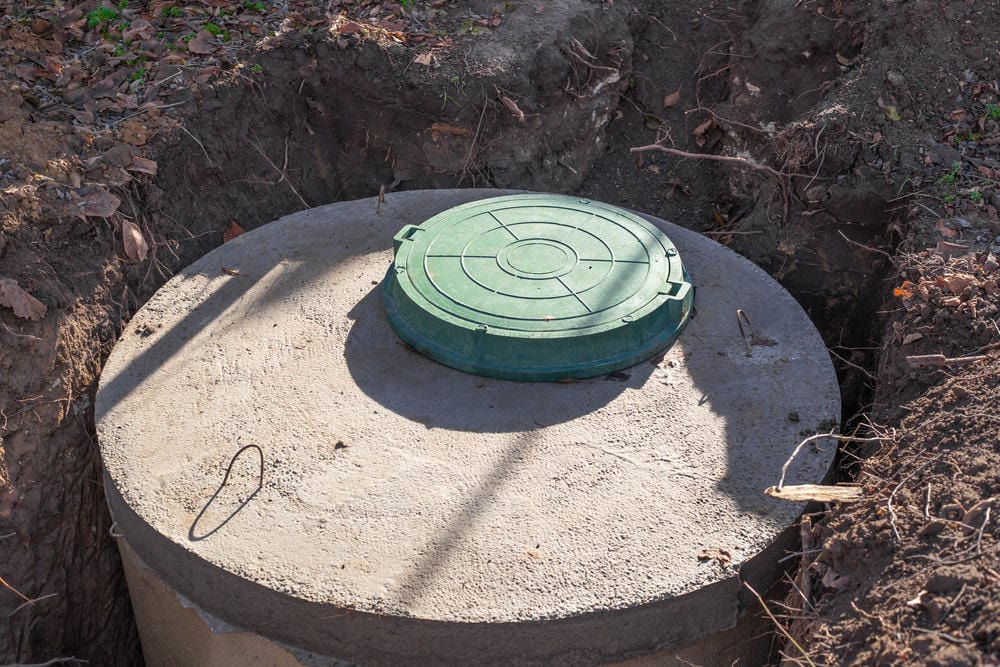
Your cesspool is basically a large concrete pit buried in your yard that collects everything that goes down your drains. Wastewater flows in, solids settle at the bottom, and liquids seep out through porous walls into the surrounding soil.
It’s a simple system. Maybe too simple.
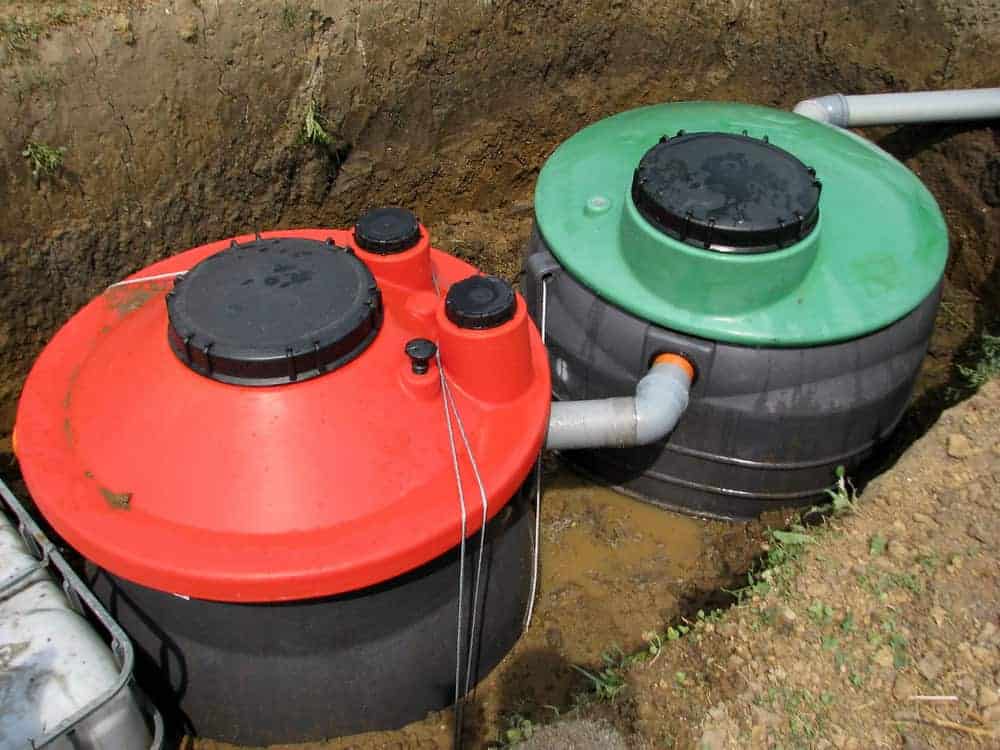
Unlike septic tanks that separate and treat waste, cesspools just hold it until the liquids drain away. That works fine when the system is new and the soil around it can absorb water. But Long Island’s sandy soil and high water table create conditions that make cesspools fill faster and fail sooner than in other regions.
What Happens When You Skip Cesspool Pumping
Every time you shower, wash dishes, or flush a toilet, solid waste accumulates at the bottom of your cesspool. That sludge layer grows thicker month after month. Eventually, it blocks the porous walls that let liquids escape.
When that happens, your cesspool can’t drain. New wastewater has nowhere to go.
First, you’ll notice drains running slower than usual. Toilets take longer to flush. You might hear gurgling sounds from your pipes. These are early warnings that most Long Island homeowners ignore because they seem minor.
Then the real problems start. Sewage backs up into your lowest drains, usually basement floor drains or first-floor bathrooms. Raw sewage contains dangerous bacteria, viruses, and parasites that create immediate health hazards for your family. The smell alone makes your home unlivable.
But it gets worse. When your cesspool can’t handle new waste, that sewage has to go somewhere. It surfaces in your yard as wet, soggy patches that smell like a sewer. Your neighbors notice. Potential home buyers definitely notice.
Insurance companies classify sewage backups as preventable maintenance issues. That means you’re paying the full cleanup cost out of pocket. Professional sewage remediation runs between $3,000 and $7,000, not including repairs to damaged flooring, drywall, or personal belongings that raw sewage contaminated.
Long Island families who skip regular cesspool pumping every 2-3 years end up paying 10 times more when emergency repairs become necessary. A routine $500 pumping turns into a $15,000 nightmare because you waited too long.
The Hidden Damage You Can't See
Even if sewage doesn’t back up into your house, a full cesspool damages your property in ways you won’t notice until it’s too late. When the ground around your cesspool becomes saturated with sewage, it creates pressure against your foundation walls.
That hydraulic pressure causes foundation cracks. Basement walls develop leaks. The sewage-saturated soil loses its ability to support your home’s structure properly.
You’ll see the effects months or years later. Doors that suddenly stick. Windows that won’t close right. Cracks appearing in your walls. These are signs your foundation is settling unevenly because the soil underneath can’t support the weight anymore.
Fixing foundation damage costs tens of thousands of dollars. And here’s the part that really stings—your homeowner’s insurance probably won’t cover it. Most policies exclude damage caused by lack of maintenance. You knew your cesspool needed pumping. You chose to skip it. That makes the foundation damage your responsibility.
Long Island’s aging cesspool infrastructure makes this problem even more common. Many cesspools were built before 1970 using concrete blocks that have far exceeded their intended lifespan. These systems are essentially time bombs. The concrete walls weaken over time. When they can’t support the weight of accumulated sewage anymore, they collapse inward.
A collapsed cesspool creates a sewage-filled sinkhole in your yard. These holes are dangerous. Children and pets can fall in. The holes are often hidden by grass until someone steps on unstable ground. Emergency repairs for a collapsed cesspool run $15,000 to $25,000, and that’s before you factor in property restoration.
Why Long Island Cesspools Need More Attention
Long Island isn’t like other places when it comes to wastewater management. About 70% of Suffolk County residents rely on cesspools or septic systems. That’s more than 365,000 systems, which is the same number as the entire state of New Jersey.
But it’s not just the quantity. It’s the geology.
Long Island’s sandy soil and high water table affect how your cesspool performs. Sandy soil drains quickly when the system is new, but it also allows contamination to spread faster. The high water table means groundwater is closer to the surface, which increases the risk of contamination from failing cesspools.
The Environmental Impact Nobody Talks About
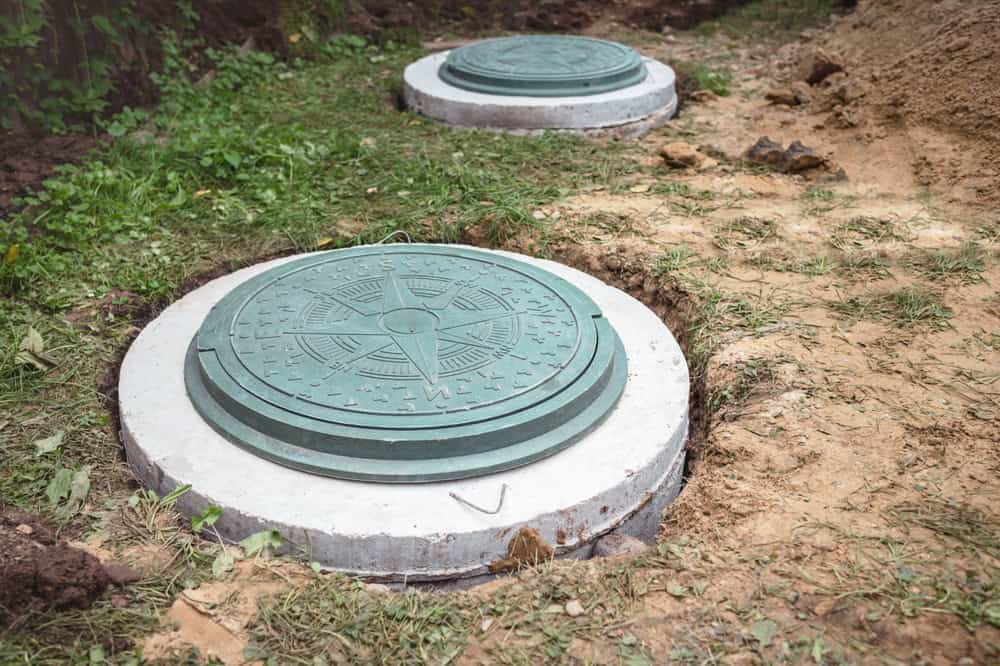
Your drinking water comes entirely from underground aquifers beneath Long Island. When your cesspool overflows or fails, it doesn’t just affect your property. It threatens the water supply for thousands of your neighbors.
Suffolk County already has higher nitrate levels in its drinking water than 95% of the country. That’s a direct result of aging cesspools leaking nitrogen into the groundwater. The problem is getting worse, not better.
Climate change is making things more complicated. Rising sea levels and more frequent extreme weather put additional strain on wastewater systems that were already outdated. Heavier rainfall overwhelms cesspools faster. Flooding can cause multiple systems to fail simultaneously.
Local regulations are tightening in response. Suffolk County has implemented stricter requirements for cesspool replacement and maintenance. Homeowners who ignore these requirements face potential fines and may be required to upgrade their systems at significant expense.
New York state regulations now impose fines of $250 to $2,000 for missed pump-outs or failed inspection reports. These aren’t suggestions. They’re legal requirements designed to protect public health and Long Island’s water supply.
The good news is that grant programs can help offset upgrade costs. Nassau County offers grants up to $20,000 for homeowners who install nitrogen-reducing septic systems. Suffolk County provides a $10,000 base grant, with an additional $10,000 available depending on system type and income level. In some cases, Long Island homeowners can receive combined grants of $25,000, which covers most or all of the installation cost for advanced systems.
How to Know When Your Cesspool Needs Service
Most Long Island homeowners wait for obvious problems before calling for cesspool service. That’s exactly backward. By the time you notice problems, damage is already happening.
The smart approach is scheduling regular pumping based on your household size and water usage. Families of four typically need pumping every 2 years. Smaller households can often wait 3 years. Homes with garbage disposals or heavy laundry use may need annual service.
But you should also watch for warning signs between scheduled pumpings. Slow drains throughout your house indicate your cesspool is reaching capacity. If just one drain is slow, that’s probably a simple clog. When multiple drains slow down at the same time, your cesspool is full.
Gurgling sounds from toilets or drains mean air is trapped in your plumbing because water isn’t draining properly. Foul odors around your property, especially near where your cesspool is located, signal that sewage is surfacing or seeping into the surrounding soil.
Wet spots in your yard that don’t dry out, especially if the grass there looks unusually green and healthy, indicate your cesspool is leaking. The extra nitrogen in sewage acts like fertilizer, making that grass grow faster than the rest of your lawn.
If you notice any of these signs, don’t wait. Call for service immediately. The difference between catching a problem early and waiting until it becomes an emergency can save you thousands of dollars.
Regular maintenance costs $400 to $700 for standard cesspool pumping. Emergency repairs when your system fails completely can run $8,000 to $15,000 for full replacement. That’s not including the cost of sewage cleanup if waste backs up into your home.
The Real Cost of Ignoring Your Cesspool
Out of sight shouldn’t mean out of mind when it comes to your cesspool. The system working quietly underground is protecting your home, your family’s health, and Long Island’s water supply. But only if you maintain it.
Skipping regular pumping doesn’t save money. It just delays the inevitable and makes it more expensive when problems finally surface. A $500 maintenance visit every few years prevents $15,000 emergencies.
Long Island’s unique geology, aging infrastructure, and environmental challenges make cesspool maintenance even more critical here than in other regions. You’re not just protecting your property. You’re protecting the community’s drinking water and complying with regulations designed to preserve what makes Long Island livable.
If you can’t remember the last time your cesspool was pumped, or if you’re seeing any of the warning signs mentioned above, now’s the time to schedule service. We’ve been helping Long Island families maintain their cesspools for over 60 years. We understand local soil conditions, know the regulations, and provide honest assessments without overselling services you don’t need.