Summary:
What Makes Septic Tank Services Different on Long Island
Not all septic systems face the same challenges. What works in other parts of the country doesn’t necessarily work here.
Long Island sits on sandy soil that moves water faster than most regions. Your wastewater doesn’t get the same natural filtration that heavier soils provide. That means your system works harder, fills faster, and needs attention more frequently than the national averages suggest.
Add in the high water table that shifts with the seasons, and you’re looking at conditions that put constant stress on even well-maintained systems. A company that doesn’t understand these local factors might follow generic timelines that leave you vulnerable to backups and failures. At Antorino & Sons, we base our recommendations on how systems actually perform in this specific environment, not just what the manual says.
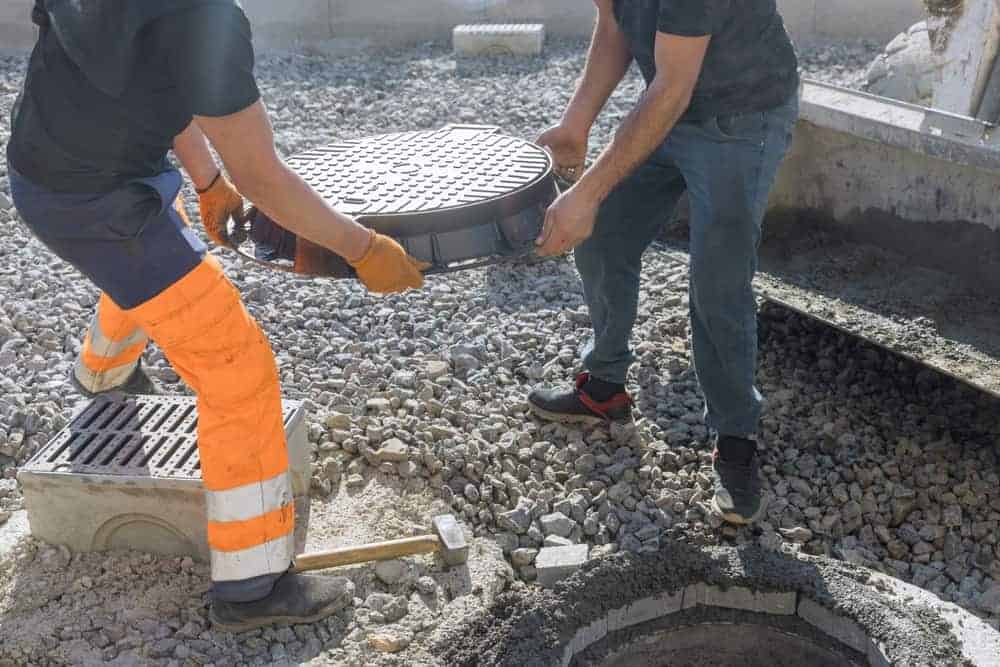
How Long Island's Soil and Water Table Affect Your System
The ground beneath your property determines how well your septic system functions. Long Island’s predominantly sandy composition creates a unique situation that most homeowners don’t fully understand until problems emerge.
Sandy soil drains quickly. That sounds like an advantage, but it actually means wastewater moves through your drain field before proper bacterial treatment can occur. The natural filtration process that protects groundwater gets compressed into a shorter timeframe. Your system has to work more efficiently just to meet basic environmental standards.
The water table adds another layer of complexity. During wet seasons or after heavy storms, groundwater levels rise. When that happens, your drain field can become saturated. There’s nowhere for treated wastewater to go. The system backs up, and suddenly you’re dealing with slow drains, gurgling pipes, or worse.
This is why timing matters so much with septic maintenance here. A system that seems fine in August might struggle in March when the water table peaks. We know to ask about seasonal performance, not just current symptoms. We understand that your pumping schedule needs to account for these fluctuations.
Suffolk County has recognized these challenges. Recent regulations now require nitrogen-reducing systems for new construction. These advanced systems address the rapid drainage issue by treating wastewater more thoroughly before it enters the soil. If you’re dealing with an older conventional system, you’re working with technology that wasn’t designed for Long Island’s specific conditions.
That doesn’t mean your current system is doomed. It means maintenance becomes even more critical. Regular inspections catch problems before they escalate. Proper pumping schedules prevent overload. And when repairs are needed, the right materials and installation methods make a real difference in how long fixes actually last.
Your soil and water conditions aren’t going to change. But how you manage your system within those conditions absolutely determines whether you face minor maintenance costs or major emergency repairs.
Why Generic Septic Advice Fails Long Island Homeowners
National guidelines suggest pumping your septic tank every three to five years. That’s reasonable advice for much of the country. On Long Island, it’s often not enough.
A typical four-person household here might need service every two to three years, sometimes sooner. The sandy soil that drains so quickly also means solids accumulate differently in your tank. The high water table can push back against your system, changing how efficiently waste separates and settles. These aren’t minor variations. They’re fundamental differences that affect how often your system needs attention.
Generic advice also misses the regulatory landscape. Suffolk County banned new cesspool installations back in 2019. If you’re buying a home or planning major renovations, you need to know current requirements, not outdated information. The county now mandates nitrogen-reducing systems for new residential construction. That’s not a suggestion or a future goal. It’s the current standard.
Then there’s the grant funding situation. Many homeowners don’t realize they might qualify for up to twenty thousand dollars in combined state and county grants to upgrade their systems. That changes the entire conversation about whether to repair an aging system or invest in a replacement. But you won’t find that information in a generic septic maintenance guide.
The warning signs matter too. Slow drains might indicate a simple clog elsewhere. Or they might signal that your tank is overdue for pumping. Or they could mean your drain field is starting to fail. The difference between those scenarios is thousands of dollars and very different timelines. With our regular experience working with Long Island systems, we can often tell the difference during an initial assessment. Someone following a checklist from a different region might miss critical context.
Water usage patterns here differ from other areas as well. If you have a vacation home that sees heavy use during summer months, your system experiences stress patterns that don’t match year-round occupancy. Seasonal properties need different maintenance approaches. We see these situations constantly and know how to adjust service schedules accordingly.
Environmental concerns also carry more weight here. Long Island’s sole source aquifer supplies all the island’s drinking water. What goes into your septic system eventually affects the groundwater that comes out of your tap. State and county regulations reflect that reality. We understand proper waste disposal, licensed treatment facilities, and environmental compliance requirements that might not exist in other regions.
This is why choosing a septic service provider based on price alone rarely works out well. The cheapest option often comes from companies that don’t fully understand local conditions. They might follow standard procedures that leave your system vulnerable. They might not catch early warning signs that a local expert would recognize immediately. And when problems do emerge, they might not know how to navigate Suffolk or Nassau County regulations efficiently.
You’re not just paying for someone to pump a tank. You’re paying for knowledge of how systems behave in this specific environment, understanding of current regulations, and the experience to spot problems before they become emergencies.
Signs Your Septic System Needs Professional Attention
Your septic system usually gives you warnings before it fails completely. The key is recognizing what those warnings mean and acting quickly enough to avoid emergency situations.
Slow drains throughout your house signal that something’s restricting flow. One slow drain might be a local clog. Multiple slow drains point to your septic system. Gurgling sounds from toilets or sinks when you run water elsewhere confirm that air is getting trapped in your lines because wastewater isn’t moving through the system properly.
Odors near your tank or drain field aren’t normal. A properly functioning system shouldn’t smell. If you notice sewage odors outside, especially near where your tank or drain field is located, that’s your system telling you it’s overwhelmed. Don’t wait for the smell to get worse or spread. That’s the stage right before serious problems emerge.
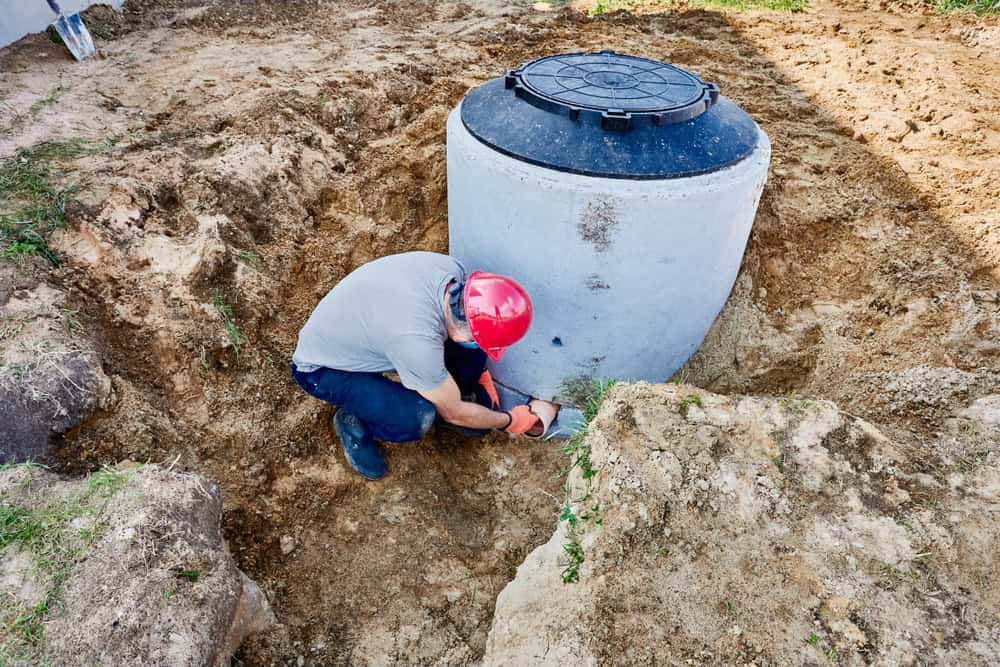
When to Call for Emergency Septic Service
Some situations can’t wait for a scheduled appointment. Knowing when you’re facing an actual emergency helps you respond appropriately and minimize damage to your property.
Sewage backing up into your home is always an emergency. Whether it’s coming up through basement drains, bathtub drains, or toilets, raw sewage in your living space poses immediate health risks. Stop using all plumbing immediately. Every flush or drain you use while the system is backed up makes the problem worse and potentially pushes sewage further into your home.
Water pooling in your yard over the drain field, especially if it smells like sewage, means your system has failed. The drain field is supposed to absorb and filter treated wastewater underground. When you see it surfacing, the soil can’t handle the volume anymore. This often happens after heavy rain when the water table rises, but it can also indicate that your drain field is clogged or damaged.
Multiple drains backing up simultaneously during normal use signal a complete system blockage. If running your washing machine causes toilets to gurgle and sinks to back up, your system isn’t processing waste at all. This situation deteriorates rapidly. What starts as an inconvenience in the morning can become a sewage backup by evening.
Bright green grass or unusually lush vegetation over your drain field might seem like a minor curiosity. It’s actually a warning sign that your system is leaking wastewater close to the surface. The grass is being fertilized by sewage. That means your system isn’t treating and dispersing wastewater properly, and it’s only a matter of time before you see standing water or experience backups.
The response time matters in these situations. With our genuine twenty-four-seven emergency service, we can often prevent a bad situation from becoming catastrophic. A backup that’s addressed within an hour or two might only require pumping and cleaning. That same backup left overnight can contaminate your basement, damage flooring, and create health hazards that require professional remediation beyond just septic repair.
Long Island’s high water table makes emergency response even more critical. When heavy rain saturates the ground, systems that were functioning adequately can suddenly fail. If you notice warning signs during or right after storms, don’t assume they’ll resolve once the rain stops. The water table takes time to recede. Your system might struggle for days or weeks after a major weather event.
Emergency situations also require proper equipment and disposal methods. A company that responds quickly but doesn’t have the right trucks or access to licensed disposal facilities might pump your tank but leave you with compliance issues. Suffolk and Nassau Counties have specific regulations about where septage can be disposed. Cutting corners on disposal creates legal and environmental problems that can come back to you as the property owner.
The cost of emergency service is almost always less than the cost of ignoring the problem. A backup that damages your basement requires not just septic repair but also water damage restoration, mold remediation, and potentially replacing damaged belongings. Acting fast when you recognize emergency warning signs protects your property and keeps repair costs manageable.
Understanding Routine Maintenance vs. Repair Needs
Not every service call is an emergency, and knowing the difference helps you plan appropriately. Routine maintenance prevents most emergency situations, but only if you actually follow through with it consistently.
Pumping schedules should be based on your actual usage, not just calendar dates. A household of four using garbage disposals frequently might need pumping every two years. A single person who’s careful about what goes down the drains might go four years between pumpings. The key is tracking your system’s performance and adjusting the schedule based on how it actually behaves.
Inspections catch problems early. A professional inspection every one to three years lets us measure sludge levels, check for cracks or leaks, examine baffles and filters, and assess overall system health. These inspections often reveal minor issues that are inexpensive to fix immediately but would become major problems if left alone.
The difference between maintenance and repair often comes down to timing. If you pump your tank on schedule before it reaches capacity, that’s maintenance. If you wait until drains are backing up and then call for emergency pumping, that’s repair. The work might be similar, but the cost and stress levels are completely different.
Repairs become necessary when components fail. Baffles can deteriorate over time. Distribution boxes can crack. Drain fields can become clogged or compacted. These aren’t maintenance issues you can prevent through regular pumping. They’re the result of age, materials, or conditions beyond normal wear and tear. Recognizing when you’re dealing with a repair situation rather than a maintenance issue helps you set realistic expectations about timeline and cost.
Older systems require more frequent attention. If your septic system is twenty or thirty years old, you’re working with technology and materials that have limitations. Concrete tanks can crack. Metal components corrode. The drain field soil becomes less permeable over time. More frequent inspections help you stay ahead of age-related failures. They also help you plan for eventual replacement rather than being forced into emergency decisions.
Long Island’s environmental regulations add another dimension to the maintenance versus repair decision. If your system is failing and needs major repair, you might be required to upgrade to a nitrogen-reducing system rather than simply fixing the old one. Those regulations vary by location and situation. We’re familiar with local requirements and can walk you through your actual options rather than assuming repair is always the answer.
Preventive maintenance also includes what you do daily. Being mindful of water usage, avoiding harsh chemicals, not flushing inappropriate materials, and spreading out laundry loads all reduce stress on your system. These habits don’t replace professional maintenance, but they extend the time between service calls and reduce the likelihood of unexpected failures.
The cost difference between routine maintenance and emergency repairs is substantial. Regular pumping might run three hundred to eight hundred dollars depending on tank size and access. Emergency service with weekend or after-hours rates can easily double that. And if the delay causes actual damage to your system, you’re looking at repair costs that start in the thousands.
Scheduling maintenance during slow periods for septic companies can sometimes save money and guarantee faster service. Most companies see spikes in emergency calls during spring when the water table is high and after major holidays when houses are full of guests. Scheduling your routine pumping during off-peak times means you get better attention and often better pricing.
Choosing the Right Septic Company for Long Island Homes
Your septic system is too important to trust to just anyone with a pump truck. The right company brings local knowledge, proper licensing, transparent pricing, and a track record of actually solving problems rather than just treating symptoms.
Experience with Long Island’s specific conditions matters. Companies that understand how sandy soil and high water tables affect system performance can give you accurate assessments and realistic timelines. They know which warning signs indicate minor issues versus major failures. And they can help you navigate Suffolk and Nassau County regulations without unnecessary delays or compliance problems.
When you’re ready to schedule service or if you’re dealing with warning signs that concern you, Antorino & Sons is available to help. Our focus on building relationships rather than just completing transactions means you get honest assessments and solutions designed for your specific situation, not generic recommendations that might not fit Long Island’s unique environment.